Amtrak halts New York–Boston trains after overhead power failure, disrupting Northeast Corridor travel Wednesday evening
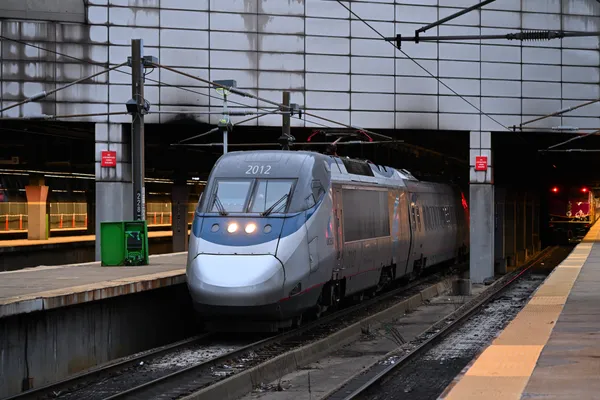
Service disruption hits one of the nation’s busiest passenger rail corridors
Amtrak suspended passenger rail service between New York City and Boston on Wednesday evening, Feb. 11, after an overhead power failure interrupted operations on a key segment of the Northeast Corridor. The outage led to cancellations and significant travel disruption for riders on intercity trains linking Boston’s South Station with New York’s Penn Station.
The suspension affected service during the evening travel period, when demand typically rises for both business and leisure trips. Amtrak said the interruption stemmed from a loss of overhead power, the electrified system that supplies energy to trains operating on the corridor.
What Amtrak offered to stranded travelers
For passengers holding reservations on impacted trains, Amtrak allowed itinerary changes without additional charge for travel on another day. The company also offered full refunds for customers who chose not to rebook.
Amtrak crews were dispatched to assess the problem and begin repairs. By Wednesday night, the railroad had not provided an estimated time for when normal operations would resume, leaving travelers to seek alternatives, delay their trips, or rebook for later departures.
- Intercity rail trips between Boston and New York were suspended during the evening hours.
- Customers were offered fee-free changes to travel on another day or the option of a full refund.
- Amtrak reported no immediate timetable for restoration while crews assessed the outage.
Metro-North mutual aid between New Haven and New York
During the disruption, commuter rail service provided a limited workaround for some riders traveling through Connecticut. Amtrak tickets were accepted on Metro-North Railroad service between New Haven and Grand Central Terminal, allowing certain passengers to continue travel into New York City’s transit network despite the intercity suspension.
This arrangement can help bridge part of the trip for riders who can adjust arrival locations and make local connections, though it does not directly replace Amtrak service to Penn Station or restore through service to Boston.
Amtrak said its crews were assessing the overhead power failure and working toward restoring service, while advising customers to rebook or request refunds.
Why overhead power failures have outsized impacts
Electric traction power issues can quickly halt operations because trains rely on continuous power delivery through overhead catenary wires. When power is lost on a segment, trains may be unable to move through the affected area, forcing cancellations or extended holds that can ripple along the corridor as equipment and crews fall out of position.
Power-related disruptions have previously affected rail traffic in and out of Boston and along the broader Northeast Corridor, including incidents involving downed or damaged overhead wires that temporarily stopped service and created cascading delays for both intercity and commuter rail operations.