Boston Chinatown’s Peach Farm Restaurant to change hands after roughly three decades of family ownership
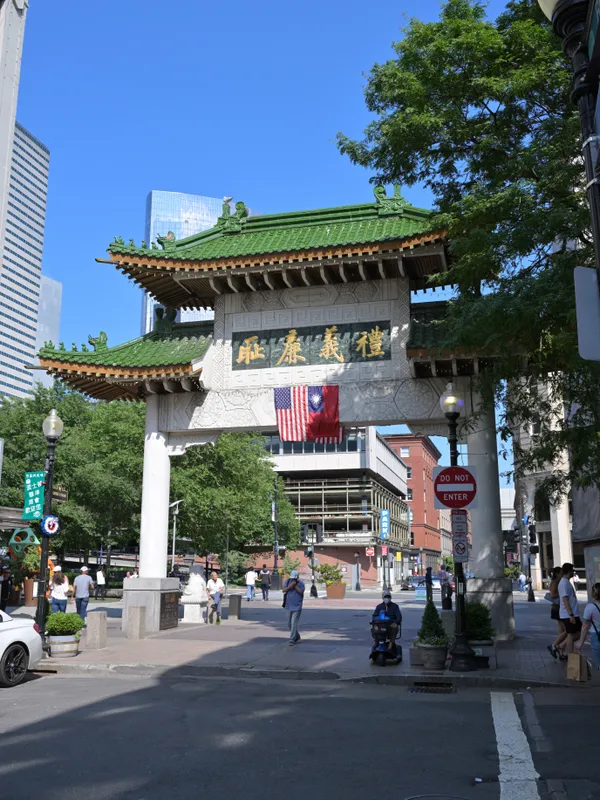
A longtime late-night destination prepares for a transition
Peach Farm Restaurant, a longtime Cantonese seafood staple in Boston’s Chinatown, is set to undergo an ownership change after roughly three decades in operation, marking a rare turning point for one of the neighborhood’s best-known independent dining rooms.
The restaurant, associated for years with extended late-night hours and a menu centered on Cantonese-style seafood, has been a fixture for residents, workers, and regional diners who visit Chinatown for traditional banquet dishes and after-hours meals. Over time, it has also become part of a corridor of restaurants that have had to navigate rising costs, shifting demand, and changing competition in and around downtown Boston.
What the change entails
City licensing records show a pending transaction involving the restaurant’s common victualler license and a petition for a change of ownership interest tied to an entity doing business as Peach Farm at the same Chinatown location. The filings describe the restaurant space as approximately 1,300 square feet with a single entrance/exit, located on basement levels connected to addresses on Tyler Street.
The licensing process is a standard regulatory step when a restaurant’s ownership interest changes, even when operations continue under the same name and at the same address. Such petitions typically formalize who controls day-to-day operations and legal responsibility for compliance, while not necessarily signaling immediate changes to staffing, cuisine, or operating hours.
A transition shaped by Chinatown’s operating realities
Peach Farm’s transition comes as Boston’s Chinatown continues to confront a difficult business environment for legacy restaurants. In recent years, the neighborhood has seen heightened pressure from commercial rents and the steady arrival of chain dining concepts, alongside long-running community concern about displacement and the erosion of independently run storefronts.
For restaurants that rely on banquets, tourism, and late-night traffic, the post-2020 period has required persistent adaptation. Many operators have had to balance labor costs, supply volatility, and uneven downtown foot traffic while remaining competitive with newer entrants and dining options in surrounding municipalities.
What diners may watch for next
- Whether the restaurant maintains its existing Cantonese seafood focus and signature preparations.
- Any change to late-night service patterns, which historically helped define Peach Farm’s role in the neighborhood.
- Continuity of staffing and kitchen leadership during the handoff.
- Potential renovations or updates that could require additional city approvals.
Ownership transitions in Chinatown are often less about a single restaurant than about whether long-running small businesses can stay in place as downtown economics change.
No timeline for public-facing operational changes has been announced through city records. For now, the regulatory filings indicate a transfer process designed to keep the business operating at the same location under the Peach Farm name while ownership responsibility is updated.