Boston Cyclists Union Organizes Volunteer Shovel Brigade After Snowbanks Block Commonwealth Avenue Bike Lane Access
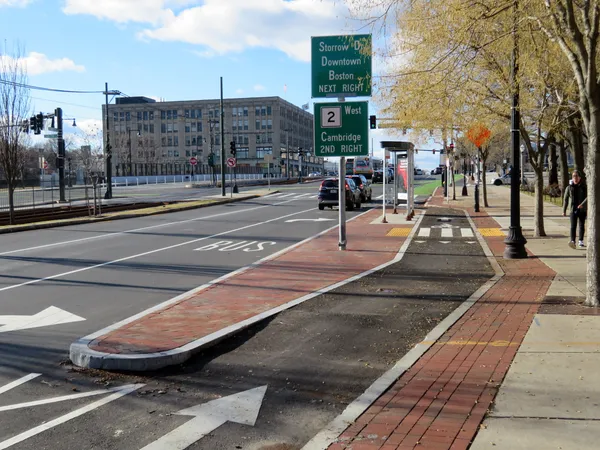
Volunteers clear sections of a major corridor as questions rise about winter maintenance timelines
Volunteer crews organized by the Boston Cyclists Union (BCU) cleared portions of the Commonwealth Avenue protected bike lane on Friday, February 6, 2026, after accumulated snow and hardened ice left stretches of the corridor effectively unusable for cyclists. The effort took place near Babcock Street in the Allston–Brighton area and focused on removing compacted snowbanks that had narrowed the travel way and blocked the separated lane.
The BCU said the conditions created an immediate safety risk by forcing riders to merge into general traffic on a road that also carries buses and heavy daily vehicle volumes. The group used shovels and manual tools, working for roughly two hours and clearing multiple blocks of the eastbound lane, based on accounts from participants and observers.
City policy anticipates bike-lane clearing within 24 hours after snowfall ends
Boston’s winter operations guidance states that the City prioritizes clearing main routes for emergency access and “anticipates clearing protected bike lanes within 24 hours after the end of the snowfall,” while encouraging residents to submit reports when streets or lanes are missed. Separate municipal rules also prohibit pushing snow into the street and set time requirements for clearing sidewalks and curb ramps, underscoring the role of enforcement and follow-up requests through the City’s service system.
The volunteer shoveling action came amid continued frustration among year-round cyclists and advocates over the pace and consistency of post-storm bike-lane maintenance, particularly when repeated plowing leaves snow piled into or alongside separated lanes where it can refreeze into berms.
Snow management intersects with infrastructure and operational constraints
Boston’s winter approach relies on a mix of in-house equipment and contracted capacity during larger events. The City has also described using smaller machinery for narrower spaces such as bike lanes. Even when protected lanes are designed to improve safety, their winter usability can depend on access for specialized equipment, available staging space for snow storage, and coordination across routes that are simultaneously prioritized for emergency response.
In recent years, the City has also adjusted certain corridor designs ahead of storms—such as temporarily removing flexible lane delineator posts on Massachusetts Avenue—to speed plowing and restoration and to reduce conflicts between snow operations and lane separators.
What happens next
Advocates are urging clearer, storm-by-storm performance targets for protected lanes, including defined response times and more transparent tracking of completion.
The City continues to direct residents to report blocked lanes and snow hazards through 311, which can generate service cases for follow-up and prioritization.
With additional winter weather still possible this season, the frequency of freeze-thaw cycles may keep snowbanks in place longer unless removed or mechanically broken apart.
“This is not work community members should have to take on, but leaving the lane unusable puts people in harm’s way,” BCU leadership said in organizing materials circulated ahead of the February 6 cleanup.
The volunteer effort highlights a recurring winter transportation challenge in Boston: keeping protected bike infrastructure functional after storms while also meeting the competing demands of roadway, sidewalk, and transit corridor clearing.