Boston Globe Presses Boston Symphony Orchestra Leadership for Clarity After Andris Nelsons’ 2027 Departure Announcement
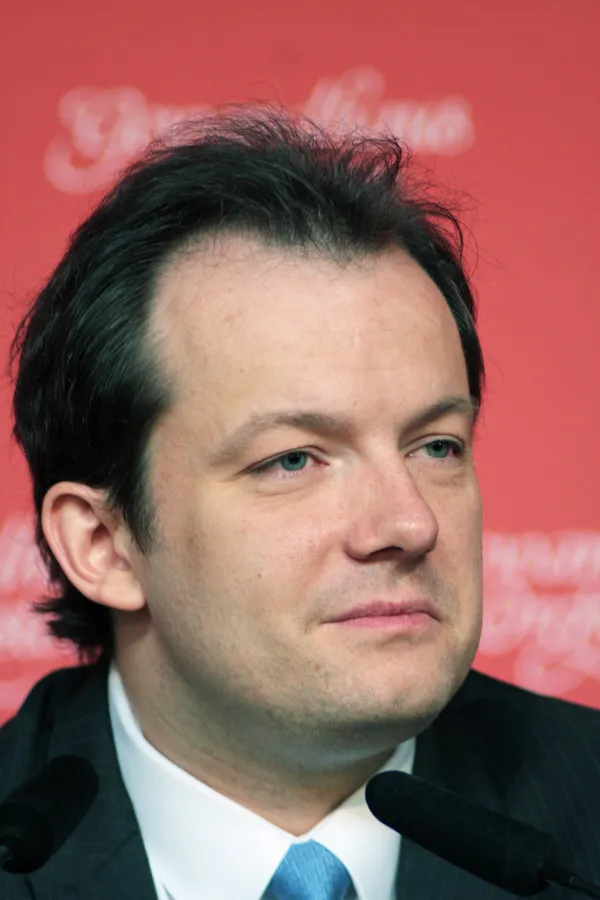
A leadership rupture with major artistic and institutional implications
The Boston Symphony Orchestra is facing renewed scrutiny over its decision to end Music Director Andris Nelsons’ tenure after the summer 2027 Tanglewood season, a move that has triggered internal backlash and raised questions about governance, strategic direction, and transparency at one of the nation’s best-known cultural institutions.
The departure timeline places a fixed end date on a relationship that began in 2014, when Nelsons assumed the music directorship and quickly became identified with the orchestra’s artistic identity. The BSO’s board and executive leadership have framed the decision as rooted in a lack of alignment on future vision, while Nelsons has indicated it was not the outcome he expected.
Competing narratives: modernization goals versus continuity of artistic approach
In public remarks, BSO President and CEO Chad Smith has acknowledged that musicians are angry and described the moment as one of “anger and pain,” while presenting the decision as part of a longer-term effort to ensure institutional viability. Board Chair Barbara Hostetter has emphasized priorities that include financial sustainability, artistic vibrancy, and stronger community connection.
Accounts from current and former employees and musicians describe a longer-running internal power struggle over how aggressively the BSO should modernize. That tension has been described as pitting a preservation-oriented approach associated with Nelsons and artistic planning leadership against a board-driven strategy seeking more dramatic organizational change.
Why the decision matters beyond one conductor
The BSO is not only an orchestra but a complex nonprofit enterprise responsible for Symphony Hall, the Boston Pops, and the Tanglewood summer season. Leadership change at the music-director level can affect artistic planning, fundraising, labor relations, touring and recording strategy, and the institution’s ability to project stability to donors, audiences, and employees.
The timing also places pressure on the organization to manage a multi-year transition while maintaining performance standards and audience confidence. For musicians, the announcement has become a flashpoint in a wider debate over who holds decision-making authority in defining the orchestra’s identity and priorities.
Background: recent turnover at the top
Barbara Hostetter became board chair in 2021, during a period of heightened sector-wide focus on equity, audience renewal, and post-pandemic financial recovery.
Longtime BSO executive Mark Volpe departed in 2021 after more than two decades leading the organization.
Gail Samuel was hired as president and CEO and later resigned, followed by an interim leadership period.
Chad Smith, previously a senior leader in the Los Angeles Philharmonic organization, was appointed to lead the BSO, starting in fall 2023.
What remains unanswered
The central unresolved issue is specificity: what concrete strategic disagreements led to the board’s decision not to continue Nelsons’ contract through its renewal mechanism, and what measurable goals will define the next phase of the BSO’s modernization efforts. The organization has pointed to broad themes—alignment, viability, and relevance—but has provided limited detail about the practical tradeoffs involved.
With the transition now set for summer 2027, the BSO’s leadership faces a narrowing window to explain its rationale clearly, stabilize internal relations, and outline how it intends to balance tradition with change in the years ahead.