Boston Harbor ice forces MBTA to suspend Hingham ferry service and reroute South Shore commuters
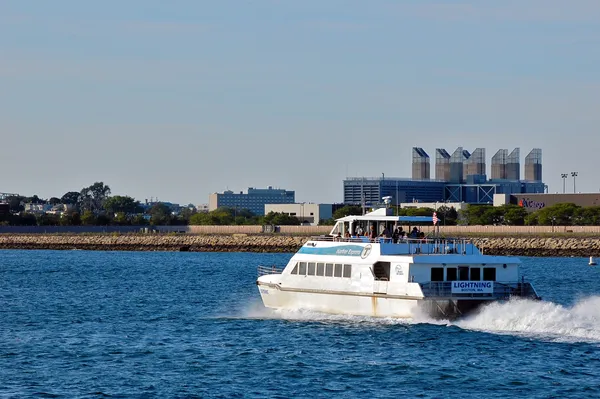
Service disruption concentrates on Hingham as cold snaps and harbor ice interfere with docking and vessel operations
MBTA commuter ferry service to and from Hingham has been repeatedly disrupted since late January as ice has built up in parts of Boston Harbor and within the protected waters near the Hingham Shipyard terminal. The agency has kept some ferry operations running elsewhere, but conditions near Hingham have periodically prevented vessels from safely reaching docks and maintaining reliable schedules.
The most recent disruption has extended the Hingham suspension through Friday, February 13, 2026. During that period, the agency has shifted service patterns to keep South Shore connections operating by routing riders through Hull, where ferry operations have been less affected by ice conditions.
How the MBTA is moving riders while Hingham is offline
With Hingham sailings suspended, the MBTA has implemented an alternate plan that centers on ferry service between Hull, Logan Airport, and Long Wharf. To bridge the gap for riders who typically board in Hingham, shuttle bus connections have been used to move passengers from South Shore pickup points to Hull’s Pemberton Point terminal.
- Hingham ferry trips are canceled for the suspension window.
- Hull ferry service continues, maintaining water access to downtown Boston and Logan Airport.
- Shuttle buses are operating to redirect riders from the Hingham area to Hull boarding locations.
Why ice can shut down a ferry route even when other routes run
Harbor icing is not just a navigation issue; it can also create mechanical and operational risks. In prolonged subfreezing conditions, slush and ice can enter vessel cooling systems and refreeze, creating conditions that can trigger protective engine shutdowns. Separately, ice accumulation near docks and in narrow approach channels can restrict maneuvering room, complicating safe landings and on-time departures.
The MBTA has described the Hingham disruption as tied to persistent ice conditions that followed a major late-January snowstorm and an extended period of very cold temperatures. Even short-term warming trends may not immediately restore full service if ice remains packed near terminal infrastructure.
Icebreaking efforts and interagency constraints
To maintain navigable access, icebreaking support has been used in multiple forms, including Coast Guard assistance and contracted local marine services. The MBTA has also arranged for dedicated icebreaking capability to work near ferry operating areas and around docks, with a focus on keeping channels open and reducing ice buildup where ferries need to maneuver and berth.
When winter conditions create harbor ice, the limiting factor is often not open water offshore but the ability to safely approach terminals, protect vessel systems, and keep routes dependable for commuters.
What riders should expect next
The MBTA has not set a definitive date for full restoration of Hingham service beyond the current suspension window, and resumption will depend on changing ice conditions and the effectiveness of ongoing clearing operations. In the near term, commuters who normally rely on the Hingham ferry should plan around Hull-based departures, allow extra time for bus connections, and prepare for schedule changes if ice conditions persist.