Boston Logan cancels more than 700 flights as major winter storm disrupts Northeast travel plans
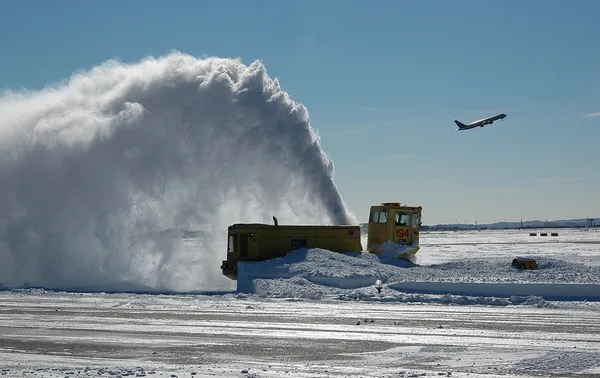
Mass cancellations as snow intensifies over Eastern Massachusetts
Boston Logan International Airport faced widespread service disruptions as a powerful winter storm moved into the region, prompting airlines to cancel more than 700 flights and sharply reduce scheduled operations. Airport operators advised travelers that almost all flights were called off from Sunday afternoon and evening through Monday morning, urging passengers to confirm flight status with their carriers before heading to terminals.
The disruption at Logan unfolded within a broader national breakdown in air travel. Across the United States, the winter system drove tens of thousands of cancellations over the weekend into Monday, with major hubs in the South and East also affected. Airlines issued weather waivers in many markets, allowing customers to rebook without change fees, as carriers attempted to reposition aircraft and crews around closed or constrained airports.
Weather conditions in Boston: heavy snow and limited visibility
Forecasters expected the heaviest snowfall from Sunday afternoon through the overnight hours into Monday morning, with bands capable of producing rapid accumulation and significant reductions in visibility. Local snowfall reports indicated totals climbing into the double digits in parts of the region, while conditions at the airport deteriorated as snow rates increased and runway, taxiway, and deicing operations came under pressure.
By early Monday, snowfall measurements at Logan exceeded a foot, reflecting the storm’s direct impact on the airport’s ability to sustain normal departure and arrival flows. Periods of heavy snow also raised the likelihood of cascading delays even for flights that were not immediately canceled, as airlines and air traffic control manage spacing requirements and ground handling constraints during winter operations.
Why cancellations at Logan can multiply quickly
Large-scale cancellations at a major airport typically reflect multiple overlapping constraints, including:
- Runway and taxiway clearing needs, which can reduce available movement areas and slow traffic
- Aircraft deicing demand, which can create long ground queues and missed departure slots
- Crew duty-time limits and disrupted aircraft rotations, which can trigger secondary cancellations
- Weather and capacity problems at destination airports, preventing inbound aircraft from arriving to operate later flights
Even after snowfall tapers, the recovery process often extends well beyond the storm window, as airlines work through displaced aircraft, crews, and passengers.
What travelers should know about rebooking and refunds
Passengers impacted by cancellations typically have options to rebook on later flights, subject to seat availability, and may be eligible for refunds if they choose not to travel. Operational recovery can be uneven, with limited capacity on outbound flights immediately after the storm, especially on popular routes. Travelers with imminent plans were advised to monitor airline notifications closely and consider flexible routing, including alternative departure days where possible.
Logan’s storm-related cancellations were concentrated from Sunday afternoon through Monday morning, aligning with the period of heaviest snowfall and the most restrictive operating conditions.
With roadway travel also affected by snow-covered conditions, officials continued to urge caution across the region as cleanup and transportation recovery efforts moved into Monday.