Boston Logan flight operations remain limited after blizzard, with full schedules projected to resume Wednesday
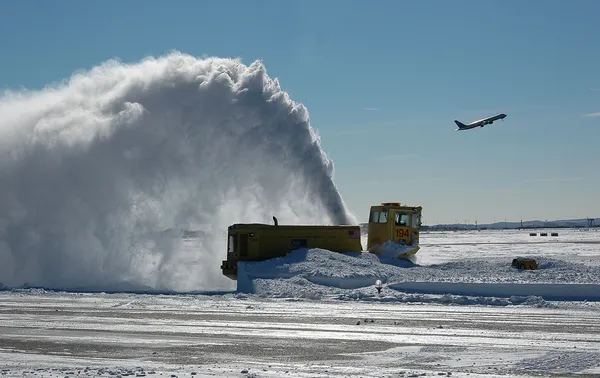
Massport plans phased restart as airlines reposition aircraft and crews
Boston Logan International Airport remained far from normal operations Monday after a major blizzard disrupted air travel across the Northeast, forcing widespread cancellations and leaving airlines and airport crews facing a multi-day recovery.
Massport aviation leadership said the airport’s operating goal is to restore a full flight schedule by Wednesday, Feb. 25, as conditions improve and airlines work through the logistical backlog created by the storm. The timeline reflects the time needed not only to clear airfield surfaces and gates, but also to get aircraft and flight crews back into position after an extended period of cancellations.
Cancellations surged as the storm moved through eastern Massachusetts
Flight tracking data showed the scale of disruption at Logan on Monday morning, with the vast majority of departures canceled as heavy snow and strong winds affected both local conditions and the broader air-traffic network serving the region. With airline schedules tightly interconnected, cancellations at major hubs can compound quickly, delaying the return of normal operations even after weather conditions begin to ease.
Operational constraints extend beyond the runways
Airport recovery after a blizzard typically requires coordinated steps that can limit capacity even when runways reopen. These steps include reopening closed gates, towing aircraft to free up parking positions, restoring fueling and baggage operations, and sequencing deicing during peaks of outbound traffic. Airlines must also reconcile displaced crews and aircraft that may be stranded at other airports, a constraint that can reduce available flights into and out of Boston even if the airport itself is able to handle more traffic.
- Airfield and gate clearing can reopen access, but does not immediately restore a full airline schedule.
- Deicing demand can slow departures and create cascading delays during recovery waves.
- Aircraft and crew positioning often becomes the pacing factor after regionwide shutdowns.
Regional impacts: power outages and reduced transit complicate travel
Across Massachusetts, heavy, wet snow and high winds led to widespread power outages, particularly in coastal communities. Utilities warned that restoration in some areas could take multiple days, citing hazardous conditions and access limitations as factors that can slow repair work.
Ground transportation was also disrupted. Transit agencies operated reduced schedules and canceled select services during the storm, limiting options for travelers trying to reach the airport while road conditions remained hazardous.
For many travelers, the fastest path to a confirmed itinerary will be airline rebooking rather than waiting for original flights to be reinstated as planned.
What travelers should watch through Wednesday
With Massport projecting a return to full schedules by Wednesday, passengers with flights scheduled for Tuesday, Feb. 24, and Wednesday, Feb. 25, may still face rolling cancellations and delays as airlines rebuild their networks. Travelers are likely to see the most stability once aircraft rotations normalize and crews are back within legal duty-time limits.
Passengers are advised to confirm flight status before heading to the airport, allow extra time for winter operations such as deicing, and expect that rebooked itineraries may route through less-affected hubs as carriers distribute demand during the recovery period.