Boston Symphony musicians push back against board decision to end Andris Nelsons’ tenure in 2027
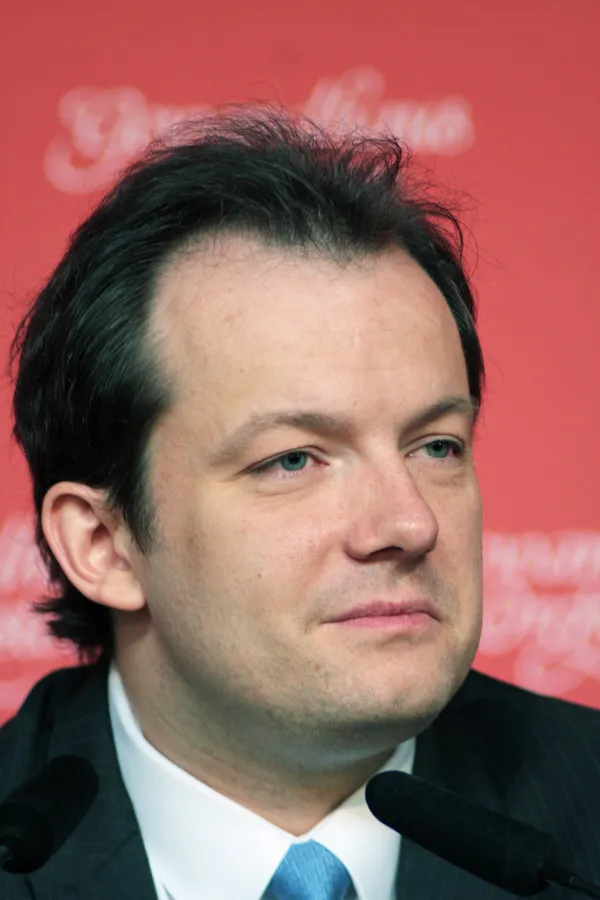
A sudden governance move, with artistic leadership set to change after the 2026–27 season
The Boston Symphony Orchestra’s board has decided not to renew Music Director Andris Nelsons’ contract, setting his departure for the end of the summer 2027 Tanglewood season. The decision, announced Friday, March 6, 2026, brings forward an unusually public dispute inside one of the country’s most prominent cultural institutions, with musicians expressing opposition to the move and calling for clarity about the process and the rationale.
The board’s announcement framed the decision as a difference over institutional direction, stating that the orchestra and Nelsons were “not aligned on future vision.” The message also indicated that the organization intends to celebrate and honor Nelsons’ work during the 2026–27 season, even as it plans for a leadership transition.
Nelsons’ response: commitment through the end of the term
Nelsons, 47, told musicians and staff in a letter that the non-renewal was not the outcome he expected or wanted. He wrote that he understood the decision was not tied to artistic standards, performances, or achievements during his tenure, and said his priority was to protect the music, support the orchestra’s stability, and continue performing at a high level with the ensemble.
Nelsons first appeared with the BSO in March 2011, making his debut at Carnegie Hall. He was named music director in May 2013, beginning his contract with the 2014–15 season, and later received multiple extensions. In January 2024, the orchestra publicly described his arrangement as a rolling “evergreen” contract.
Musicians’ opposition highlights internal strain
In the wake of the board’s action, BSO musicians have voiced opposition to ending Nelsons’ tenure in this manner, underscoring concerns about how the decision was reached and what it signals about governance and artistic planning. While the orchestra has not released details about any formal consultation process with players, the musicians’ reaction has added pressure for transparency at a moment when the institution is preparing for a multi-season handoff.
What happens next: transition planning and a national backdrop
The timeline leaves more than a year for planning, but it also creates immediate questions for the BSO’s programming, fundraising, and recruitment as it approaches a leadership search. The orchestra has upcoming season announcements and previously scheduled appearances, including high-profile engagements that extend into the transition period.
Boston’s change comes amid broader turnover across major U.S. orchestras. Several leading ensembles are already in, or approaching, music-director transitions over the next two seasons, increasing competition for top candidates and guest conductors.
- Nelsons will remain music director through the 2026–27 season, departing after summer 2027 at Tanglewood.
- The BSO board has cited a lack of alignment on “future vision” as the reason for the non-renewal.
- Musicians have pushed back publicly, intensifying calls for clarity on governance and decision-making.
The BSO’s leadership now faces the dual task of maintaining artistic continuity under Nelsons while organizing a transition that can command confidence inside Symphony Hall and among the orchestra’s wider community.