Boston’s post-storm snow hauling expands, while disabled residents report blocked curb ramps and unsafe routes
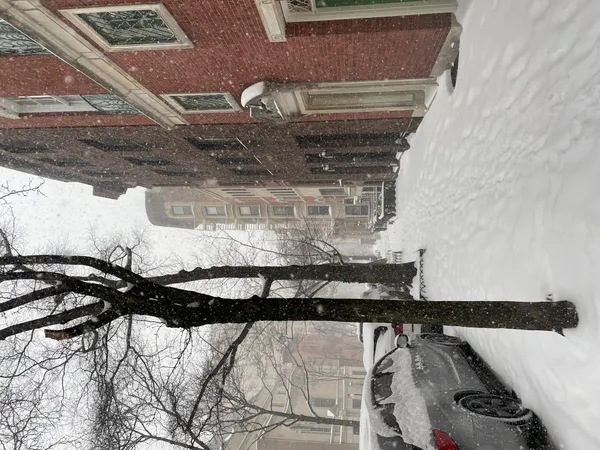
Snow removal intensifies after late-January storm
Boston continued large-scale snow removal operations Thursday, January 29, after a winter storm that dropped more than a foot of snow across Greater Boston beginning Sunday, January 25. City crews have focused on widening travel lanes, clearing intersections, and hauling snow to designated snow farms and dumping sites to restore road capacity and improve sightlines.
Municipal updates described an around-the-clock effort that includes overnight work intended to reduce daytime congestion and accelerate progress in dense neighborhoods where snow storage space is limited. City officials have also reiterated that private property owners are responsible for clearing sidewalks and curb ramps bordering their properties within a set timeframe after snowfall ends.
Accessibility gaps persist for residents with disabilities
Even as primary roads reopen and hauling operations expand, residents with disabilities report that daily travel remains constrained in some areas by blocked curb ramps, narrowed sidewalks, and snowbanks at crosswalks. For wheelchair users and others with mobility impairments, a single obstructed curb cut can make an otherwise passable route unusable, forcing detours, eliminating access to bus stops or appointments, or pushing pedestrians into the street.
Advocates and residents say the problem is often most acute at transition points—curb ramps, crosswalk corners, and pedestrian refuge areas—where plowed snow can accumulate quickly. For people who are blind or have low vision, inconsistent clearing can also make navigation hazardous when detectable edges and predictable pathways are buried or shifted.
What Boston rules require from property owners
Boston’s winter rules require property owners to clear snow, sleet, and ice from sidewalks and curb ramps abutting their property within three hours after snowfall ends, or within three hours after sunrise if snow falls overnight. The city also instructs residents to maintain an accessible path of travel, including a cleared route wide enough for wheelchairs and strollers, and prohibits shoveling snow into the street.
- Clear sidewalks and curb ramps within the required time window after a storm.
- Maintain an accessible pedestrian path rather than a narrow “single-file” track.
- Avoid piling snow where it blocks curb cuts, crosswalk access, hydrants, or catch basins.
Enforcement and reporting mechanisms
The city’s 311 system allows residents to report unshoveled sidewalks, requests for street salting or plowing, and concerns about businesses pushing snow onto pedestrian areas. Separate processes also exist for accessibility infrastructure concerns, including requests related to curb ramps in the public right-of-way, which are handled through the city’s disability and ADA coordination channels.
Snow clearance affects more than drivability: the ability to reach medical care, groceries, transit, and workplaces often depends on whether sidewalks and curb ramps are kept passable.
What to watch as cleanup continues
With additional cold and refreezing risk typical after major storms, accessibility conditions can change quickly as slush hardens and snowbanks shift. City operations are expected to continue prioritizing main arteries and high-traffic corridors while enforcement and resident reporting remain central tools for addressing blocked sidewalks and curb ramps in residential areas.