Boston’s snowstorm parking space savers: when they are allowed, banned, and how enforcement works
A winter ritual with strict limits under city rules
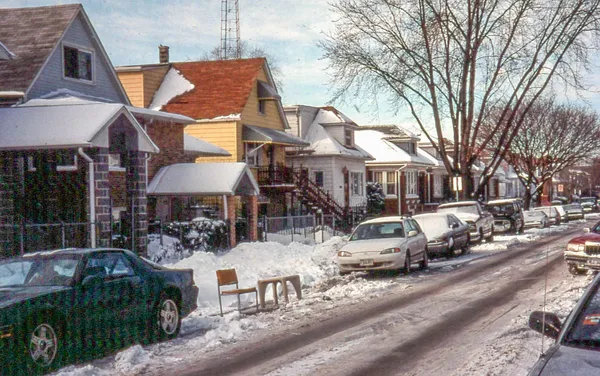
After major snowfalls, some Boston residents place objects such as traffic cones, trash barrels, folding chairs, or other markers in newly cleared curbside spaces. The practice, widely known as using “space savers,” is a longstanding feature of city winters. But it is not a blanket right: Boston allows space savers only under specific conditions tied to a declared snow emergency.
City guidance states that space savers may be used only when a snow emergency has been declared. Once the emergency is lifted, residents have a limited window to keep a marker in the street before it must be removed. The rule is designed to balance the reality of dig-out labor with the need to return public parking to general use as streets are cleared.
What Boston’s rules allow — and where they do not apply
Boston’s published winter and parking guidance sets three central boundaries for space savers:
- Space savers are permitted only during a snow emergency declared by the City of Boston.
- After the snow emergency ends, space savers can remain in place for up to 48 hours; after that, they must be removed from the street.
- Space savers are not allowed in the South End and Bay Village, even during a snow emergency.
These limits mean the legality of a space saver can change quickly as city conditions change. A marker placed during an emergency can become a violation once the 48-hour period after the lift has expired, and a marker placed in a prohibited neighborhood is not allowed even when a storm triggers emergency rules elsewhere.
How snow emergencies affect parking and the clock for space savers
Snow emergencies typically come with additional street-parking restrictions, including parking bans on certain roadways and operational changes intended to support plowing and snow removal. The city also uses snow emergencies to activate discounted garage parking programs, with start and end times linked to the emergency declaration and lift.
Space saver rules are tied directly to the city’s snow emergency timeline: the 48-hour allowance begins only after the emergency is lifted.
Enforcement and what residents can expect
Boston’s public works operations have historically included removal of space savers after the allowed period, with the city stating that items left beyond the grace period may be removed and discarded. The city also routes non-emergency service requests through 311, which residents commonly use to report lingering space savers and related winter parking issues.
For residents navigating post-storm parking, the practical takeaway is that saving a space is governed less by custom than by the city’s emergency declarations, neighborhood-specific prohibitions, and a fixed 48-hour window after an emergency ends.