Foxborough seeks $7.7 million upfront security funding, raising uncertainty for 2026 World Cup matches
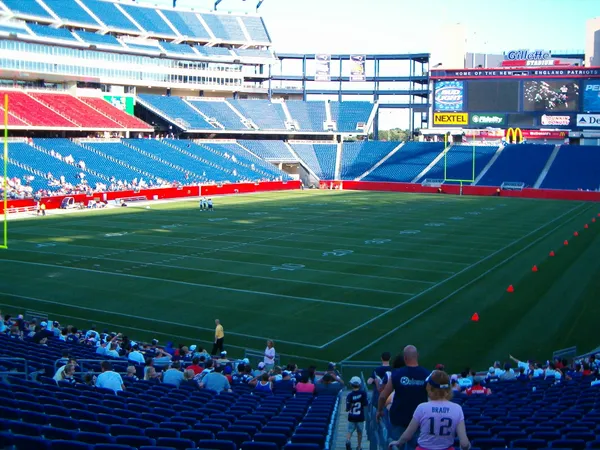
Security funding dispute emerges months before seven World Cup matches at Gillette Stadium
Foxborough officials have warned they may withhold the local entertainment license required for Gillette Stadium to host 2026 FIFA World Cup matches unless an estimated $7.7 million in security-related costs is covered upfront. The town’s position introduces new uncertainty into preparations for seven matches scheduled for summer 2026 in the Boston-area host region.
The Select Board chair said the town is prepared to block the matches from being staged in Foxborough if the funding issue is not resolved within the next few weeks. Town leadership has argued that Foxborough does not have sufficient cash reserves to front the projected expenses and then wait for reimbursement.
What Foxborough says it needs and what leverage it holds
The town’s leverage centers on the entertainment license used for large events. Foxborough officials set a deadline of March 17 for granting the license, describing it as a practical cutoff for finalizing plans and staffing for a major international event.
Town leaders have indicated they are seeking a commitment from either FIFA or the Kraft organization to cover the $7.7 million estimate in advance. While local officials emphasized financial constraints, Foxborough’s town manager said she remained confident the matches would ultimately proceed as scheduled.
How security funding is structured for U.S. World Cup host sites
Security planning for the 2026 World Cup in the United States is supported by a federal grant structure designed specifically for tournament-related security and preparedness. In Massachusetts, a state-administered grant program tied to federal funding is intended to support eligible security projects and operational needs tied to the World Cup.
Massachusetts has been positioned to receive roughly $46 million from the federal security funding allocation associated with U.S. host locations, though state planning documents have indicated that combined state and local requests have exceeded what is available. Separately, a state readiness assessment has tracked tens of millions of dollars in anticipated public-safety and operational costs across agencies, alongside substantial transportation-related operating costs anticipated for game-day service.
Broader planning and operational stakes for the Boston host effort
World Cup planning in the region is led by the Boston 26 Host Committee, a nonprofit entity responsible for coordinating tournament-related operations and official events around the matches. The host committee has previously described the event’s financing as dependent on a mix of federal security funding, corporate support, and state participation. It has also warned that funding uncertainty can force reductions in operational planning for transportation contingencies, volunteer programs, and fan-facing services.
Key points to watch in the coming weeks
- Whether Foxborough, the stadium operators, and tournament stakeholders reach a written agreement on upfront payment for security costs.
- The town’s March 17 timeline for the entertainment license and whether interim approvals are used to keep planning on track.
- How federal security grant reimbursements and state-level allocations will be timed relative to local cash-flow needs.
Foxborough’s demand is not about whether security will be required; it is about when the money must be available and who carries the upfront burden.
Negotiations are ongoing, and there has been no formal change to the match schedule. For now, the dispute highlights a recurring challenge in hosting mega-events: even when funding is earmarked for security, local governments can face immediate costs that must be covered well before reimbursements arrive.