Gardner Museum Rejects Viral Epstein-File Claim, Citing Mismatched Artworks and Ongoing Heist Investigation
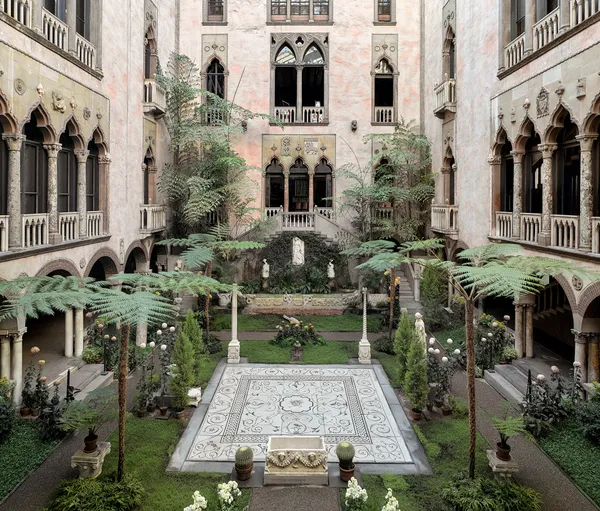
A renewed online theory collides with a 35-year-old unsolved case
The Isabella Stewart Gardner Museum has publicly rejected a viral claim that documents released in the Justice Department’s Jeffrey Epstein files contain a lead on the museum’s notorious 1990 art heist. Museum officials said the social-media allegation misidentified artworks and risked diverting attention from the evidence-driven work still underway to recover the missing pieces.
The Gardner Museum theft remains one of the most consequential cultural property crimes in U.S. history. In the early hours of March 18, 1990, two men disguised as police officers gained access to the museum, restrained two security guards, and removed 13 artworks over the course of roughly 81 minutes. The stolen pieces included paintings and works on paper linked to Rembrandt, Vermeer, Degas, Manet and others. The museum continues to display empty frames in the galleries where key works once hung, underscoring both the loss and the continuing effort to recover the art.
What the viral post claimed — and what the museum says is wrong
The disputed theory spread widely after a social-media creator asserted that Epstein-related documents referenced specific works allegedly stolen from the Gardner Museum, implying the heist could be connected to Epstein’s financial dealings or associates. The museum’s security leadership said the items cited online were not the same as the objects taken from the Gardner Museum and that similarly titled works were being conflated.
In addition to the naming discrepancies, the museum noted a basic investigative concern: thefts of high-value masterpieces are typically concealed rather than documented in routine financial or tax records, making sensational claims based on surface-level document matches unreliable without corroborating evidence.
What is known about the stolen works
The museum and federal investigators have long publicized the identities of the missing objects. Among the best-known losses are Vermeer’s “The Concert,” Rembrandt’s “Christ in the Storm on the Sea of Galilee,” and works taken from the Dutch Room and other galleries. Investigators have said the stolen items have never been recovered, no one has been charged, and the case remains open.
- 13 artworks were stolen from the museum in March 1990.
- The thieves entered while posing as police officers and restrained guards.
- The FBI and the museum continue to pursue leads worldwide.
Why the museum says misinformation matters to the investigation
Museum officials said that while tips are welcome, viral speculation can impose real costs by requiring time-consuming verification. Each high-profile claim must be assessed against established object descriptions, provenance records, and investigative files. The museum’s security office has emphasized that credible, well-documented information is most useful, and that theories untethered to verifiable details can slow progress.
The museum continues to offer a $10 million reward for information leading directly to the recovery of all 13 stolen works in good condition, and it encourages anyone with specific, credible information to report it through official channels.
What happens next
The Gardner Museum said the heist investigation remains active, with investigators focused on actionable leads rather than viral narratives. The museum and law enforcement continue to seek information that can be substantiated through records, witnesses, or physical evidence that advances the recovery of the missing works.