Gov. Maura Healey to Unveil Massachusetts Fiscal 2027 Budget Proposal, With Spending and Policy Stakes
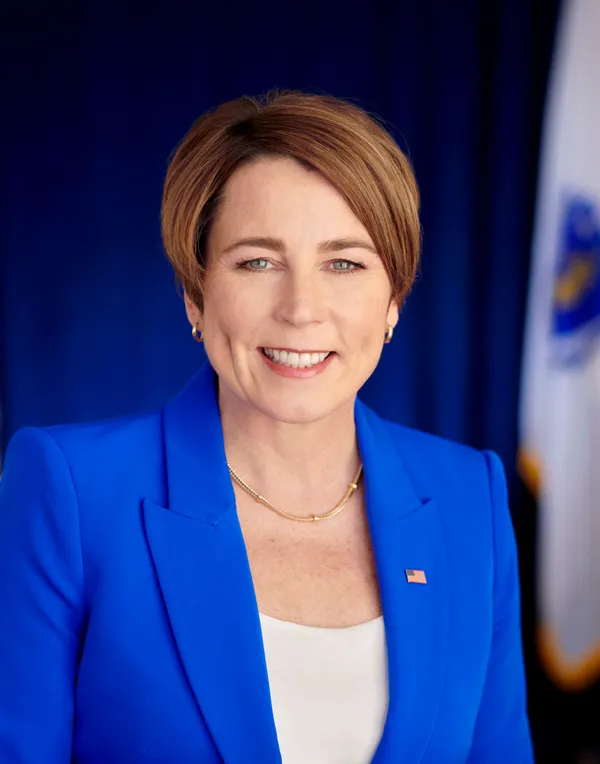
A pivotal filing that sets the terms of the State House budget season
Governor Maura Healey is scheduled to unveil Massachusetts’ fiscal 2027 budget proposal, launching the annual State House negotiations that will determine how the Commonwealth funds schools, health care, transportation, and local aid for the year beginning July 1, 2026. The governor’s filing typically serves as the starting point for months of revisions by the House and Senate before a final agreement is sent back to the corner office.
Healey’s new proposal arrives as Massachusetts continues to rely on a combination of baseline tax revenue and proceeds from the voter-approved Fair Share surtax on annual income over $1 million. Recent enacted budgets have paired large-scale spending plans with targeted efforts to manage growth in state obligations, including health care costs and public employee benefits.
Recent budget trajectory provides context for the 2027 plan
Massachusetts enacted a $60.9 billion fiscal 2026 budget, signed July 4, 2025. The prior year’s enacted plan for fiscal 2025 totaled $57.78 billion. The progression underscores a multi-year increase in overall spending, while policymakers continue to debate how much of the budget should be supported by one-time resources versus recurring revenues.
In fiscal 2026, state leaders also leaned heavily on Fair Share revenues to support education and transportation initiatives and to help stabilize public transit finances. Those debates are expected to remain central as legislators assess the next year’s spending proposal.
Transportation, education and health care: likely focal points for lawmakers
While full fiscal 2027 line-item details will be reviewed in the days after filing, recent budget frameworks point to several categories that routinely drive negotiation:
MBTA and regional transit financing, including operating support and capital needs.
K-12 funding tied to the Student Opportunity Act, as well as school transportation and special education reimbursements.
Early education and child care supports that have been expanded in recent years.
MassHealth and other health programs, where caseloads, utilization and reimbursement policy can shift costs quickly.
Unrestricted General Government Aid and other municipal accounts that affect city and town budgets statewide.
Policy “outside sections” can be as consequential as dollars
Beyond spending totals, governors often attach policy changes to the budget bill. In recent years, major non-budget reforms have been advanced through these sections, making them a key area for scrutiny by legislators, advocates and municipal leaders.
The governor’s budget filing begins as a bill submitted to the House, which then crafts its own version before the Senate and a conference committee complete the process.
After the governor’s announcement, lawmakers will begin parsing the proposal for its assumptions about revenue growth, the use of Fair Share funds, and the balance between ongoing commitments and temporary supports.