Healey proposes legislation and executive order aimed at limiting ICE activity in Massachusetts sensitive locations
New state actions target immigration enforcement in schools, hospitals, courts and places of worship
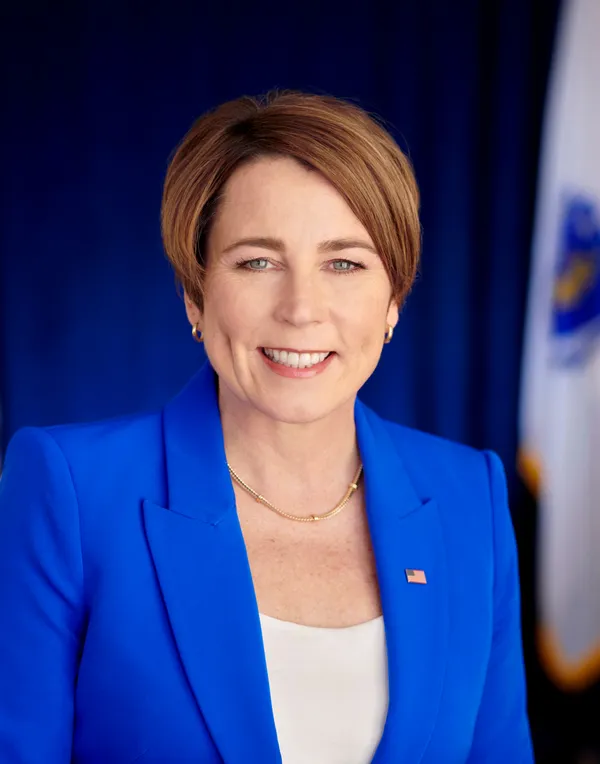
Gov. Maura Healey on Jan. 29, 2026, announced a package of legislative and executive actions designed to limit certain U.S. Immigration and Customs Enforcement (ICE) activities in Massachusetts, particularly in locations where residents access essential services. The proposal combines a bill filed with lawmakers and an executive order that takes effect within the executive branch of state government.
The announcement comes amid broader national debate over immigration enforcement practices following a federal policy change on Jan. 20, 2025, when the Department of Homeland Security replaced earlier guidance that had restricted enforcement actions in or near “protected areas” such as schools, medical facilities, houses of worship and courts.
What the legislation would do
The bill Healey filed seeks to establish new state-level limits on civil immigration enforcement activity in several “sensitive locations.” Key provisions described by the administration include:
- Requiring a judicial warrant for ICE or immigration agents to enter K–12 schools, licensed child care programs and after-school programs.
- Requiring a judicial warrant for ICE access to nonpublic areas of hospitals, community health centers, nursing homes and substance use disorder programs.
- Restricting warrantless civil immigration arrests inside courthouses.
- Creating protections related to civil arrests in houses of worship during services.
- Allowing parents to pre-arrange “standby” guardianship so a child can be temporarily cared for by a designated adult if a parent is detained or deported.
- Making it unlawful for another state to deploy its National Guard into Massachusetts without the governor’s permission.
Several of the proposed requirements would rely on compliance by institutions and would also require those institutions to adopt written policies for staff responses to immigration enforcement requests, consistent with state guidance.
What the executive order changes immediately
Healey also signed an executive order affecting state executive-branch agencies. The order limits new agreements under section 287(g) of the Immigration and Nationality Act—arrangements that can authorize state or local officers to perform certain federal immigration enforcement functions—by prohibiting new agreements unless a specific public safety need is certified.
The order also bars civil immigration arrests in nonpublic areas of state facilities without a judicial warrant or order and prohibits the use of state property as a staging location for immigration enforcement operations.
Legal and practical context
The proposed changes intersect with longstanding legal questions about the role of state actors in federal immigration enforcement. In 2017, the Massachusetts Supreme Judicial Court held that Massachusetts law did not authorize state court officers to arrest and hold someone solely on a federal civil immigration detainer beyond the time the person would otherwise be released from state custody.
The new package seeks to clarify operational boundaries in public institutions while leaving federal immigration enforcement authority intact.
The legislation will require approval by the Massachusetts Legislature. The executive order applies within the executive branch, but it does not by itself bind local governments, courts, or private entities.