Kelsey Fitzsimmons criminal case in Massachusetts: charges, bail dispute, and why the timeline confuses many
A police officer becomes a defendant
Kelsey Fitzsimmons, a North Andover, Massachusetts police officer sworn in during 2024, is scheduled to face a Superior Court jury trial starting March 23, 2026, in a case that has generated sustained public attention and repeated legal fights over pretrial release conditions.
The criminal case stems from an armed confrontation at Fitzsimmons’ home on Phillips Brooks Road on June 30, 2025, when officers arrived to serve an abuse-prevention restraining order sought by her then-fiancé. Prosecutors have alleged that Fitzsimmons drew a firearm, aimed it at one of the responding officers, and pulled the trigger. Fitzsimmons has pleaded not guilty and has disputed key parts of the state’s account.
How the charges narrowed
In the days following the incident, Fitzsimmons faced multiple serious charges. Over time, the case posture changed: she is now indicted on a single count of assault by means of a dangerous weapon, a charge that carries significant potential penalties but is narrower than the initial charging package.
The streamlining of charges is one reason the case can appear inconsistent to casual observers; the underlying confrontation remained the same, but the formal allegations proceeding to trial have evolved.
The bail and alcohol-testing dispute
A second, complicated track of litigation has focused on pretrial release and monitoring. Fitzsimmons was initially released under conditions that included court-ordered alcohol monitoring using a breath-based SCRAM device. Her attorneys argued that injuries suffered when she was shot made the required testing physically difficult or impossible, and they sought modified conditions.
After a court fight that included her being returned to custody, the Massachusetts Supreme Judicial Court later addressed the legality of the challenged bail framework and the alcohol-testing condition. The ruling became a key reference point in subsequent hearings about what conditions are permissible and how they should be evaluated.
- June 30, 2025: Confrontation at the home during service of a restraining order.
- 2025–2026: Multiple hearings over release, monitoring, and detention.
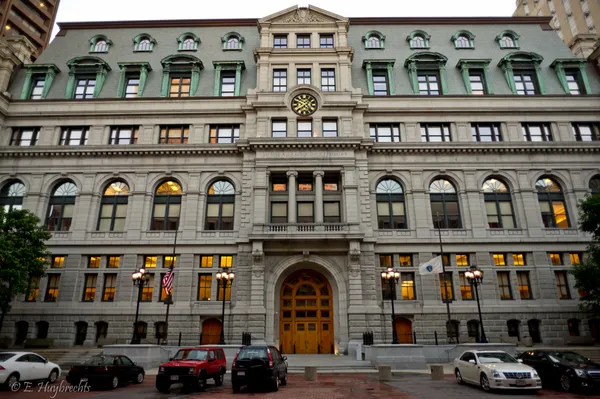
- March 23, 2026: Trial expected to begin in Essex Superior Court.
Parallel allegations involving an alleged break-in
More recently, Fitzsimmons’ legal filings have accused her former fiancé of breaking into her home while she was hospitalized and taking property and potential evidence. Prosecutors reviewed the matter and announced they would not pursue criminal charges connected to those allegations, describing it as a dispute more appropriately handled in Probate and Family Court.
The criminal trial will focus on what happened inside the home on June 30, 2025, while separate legal proceedings continue to address related family-court conflicts.
What the jury is likely to hear
At trial, jurors are expected to confront sharply different accounts of the same minutes: whether Fitzsimmons pointed and fired a weapon at an officer, what officers perceived in the bedroom during service of the order, and how the surrounding domestic and custody context may help explain actions and decisions made that evening. The case’s frequent court dates and overlapping legal disputes have made the broader narrative difficult to follow, but the charge set for trial is singular and specific.