Late-February Nor’easter leaves more than 100,000 New England customers without power as cleanup continues
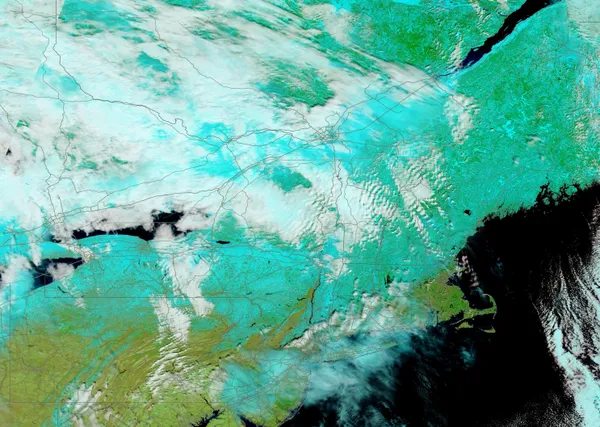
Widespread outages concentrated in Massachusetts as coastal wind and heavy snow damage electric infrastructure
A powerful late-February nor’easter knocked out electricity for well over 100,000 customers across New England, with the largest and longest-lasting outages concentrated in Massachusetts’ coastal communities. Utility outage totals surged during the height of the storm on Monday, Feb. 23, and restoration efforts extended for multiple days as crews contended with blocked roads, downed trees, and hazardous wind conditions.
Outage-tracking data and statements from regional utilities indicated that Massachusetts accounted for the overwhelming share of customers in the dark after the storm moved offshore. Cape Cod, the Islands, and parts of the South Shore were repeatedly identified as the hardest-hit areas, where heavy, wet snow combined with strong coastal winds to bring down tree limbs and power lines and to damage equipment feeding local distribution networks.
How the storm produced prolonged power losses
Emergency managers and meteorologists warned ahead of the storm that coastal New England faced a combination of blizzard conditions and damaging wind gusts. In Barnstable and Dukes counties, officials highlighted the risk of widespread power outages as the system rapidly intensified offshore. During the storm, wind-driven snow and limited visibility also complicated access for line and forestry crews, slowing damage assessment and the ability to begin repairs in some locations.
- Peak outage levels rose into the hundreds of thousands in the Northeast, with Massachusetts representing the largest share.
- Coastal communities in southeastern Massachusetts experienced the most severe damage and the longest restoration timelines.
- Restoration work was constrained at times by high winds and debris blocking neighborhood roads.
Restoration operations and public safety priorities
Electric utilities mobilized additional crews, including mutual-aid lineworkers and forestry teams, to support restoration. Utilities reported prioritizing emergency calls and downed-wire hazards before broader neighborhood repairs. In parallel, state and local officials directed residents to use warming centers and public facilities where available, particularly in areas where outages coincided with difficult travel conditions and heavy snow removal operations.
Utilities typically restore service by first addressing hazards and critical infrastructure, then repairing main lines that return power to the largest number of customers, and finally rebuilding smaller sections serving individual streets.
What residents can expect after major winter outages
Even after electricity returns, municipal leaders cautioned that recovery can continue for days as snow clearance, debris removal, and equipment repairs proceed. Officials also noted that outages can affect private wells and some water systems, increasing the importance of having drinking water and shelf-stable food during extended restoration periods.
As cleanup continues, utilities urged residents to stay clear of downed wires, to report hazards promptly, and to follow local guidance on travel restrictions and warming locations while remaining restoration work proceeds.