Light, fast-moving snow system targets Boston area overnight Tuesday into Wednesday, with slick commute risk
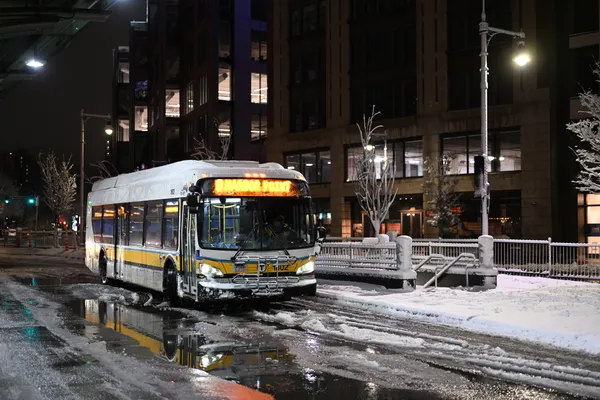
Snow returns to Massachusetts with overnight burst and uneven totals
A quick-moving winter system is set to bring another round of snow to parts of Massachusetts, with the most concentrated impacts expected late Tuesday into early Wednesday. Forecasters expect a relatively short window of steadier snowfall overnight, followed by improving conditions during the day Wednesday, though some snow showers may linger in eastern coastal areas.
While this is not expected to be a major, long-duration storm, timing is a key factor: the most hazardous travel conditions are most likely during the Tuesday evening drive and the late-night hours, when accumulating snow can quickly coat untreated roads, bridges, and ramps. Even where totals stay modest, a brief period of snowfall at or near freezing can create slick spots that persist into the early-morning commute.
What Boston and nearby communities can expect
In the Boston area, forecast snowfall has generally been in the low single digits, with a common expectation of roughly 1 to 3 inches by Wednesday morning. Amounts typically increase moving north and northeast of the city, where several inches are more likely, and localized bands can produce higher totals than nearby towns. Parts of the North Shore and Cape Ann have repeatedly been positioned for some of the highest local totals in recent fast-moving events.
Boston metro: Light accumulation is expected, generally in the 1–3 inch range.
North and northeast of Boston: Higher amounts are possible, with pockets reaching the 3–6 inch range.
South Coast and Cape: Lower totals are possible, with the potential for a brief mix with rain depending on temperatures.
Timing: When the snow starts and when it ends
Snow is expected to arrive from west to east Tuesday night, reaching western Massachusetts first and progressing toward central Massachusetts and the Boston area later in the evening. The most organized period of snow is expected overnight, with precipitation tapering around or shortly after daybreak Wednesday for many communities.
Why totals can vary sharply over short distances
Clipper-type systems often move quickly, and small shifts in storm track, coastal redevelopment, and banding can concentrate heavier snow in narrow corridors. Temperature profiles also matter: a slight warming near the coast can reduce accumulation or introduce mixing, while colder inland locations remain all snow and accumulate more efficiently.
Residents should plan for changing road conditions overnight Tuesday into early Wednesday, especially where snow falls during peak travel periods.
State and local road crews typically pretreat and plow primary routes during such events, but conditions can still deteriorate quickly during bursts of moderate snow. Drivers are advised to allow extra time, reduce speed, and use caution on sidewalks and steps where compacted snow can refreeze.