Massachusetts awards $10 million in World Cup-related grants, outlining fan events, logistics and oversight rules
What the state-funded grants are designed to do
Massachusetts has set aside $10 million in competitive grants to support public-facing programming connected to the 2026 FIFA World Cup, including organized watch parties and related events intended to draw visitors and manage localized costs tied to large crowds. The funding is administered through the Sports and Entertainment Events Fund and was authorized in a fiscal 2025 supplemental budget measure.
The grant round is structured to back event production and visitor-facing operations rather than stadium construction. Eligible uses include costs associated with producing World Cup-related celebrations and watch parties, including public safety planning, transportation and mobility support connected to events, and operational needs that arise when cities and towns host high-volume gatherings.
How this funding fits into Massachusetts’ broader World Cup preparations
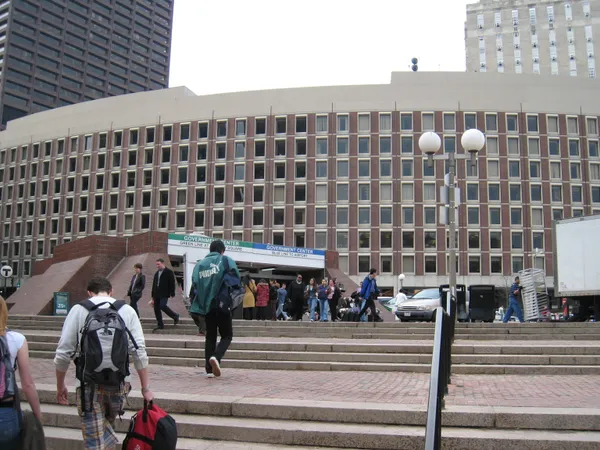
Massachusetts is scheduled to host seven World Cup matches at Gillette Stadium in Foxborough between June 13 and July 9, 2026, including a Round of 32 match and a quarterfinal. Planning has also focused on an official fan-festival footprint in Boston, with City Hall Plaza identified by city leaders as the central hub for fan activity, alongside a broader strategy of neighborhood-based activations.
In parallel with the state’s $10 million event-focused fund, public agencies in Massachusetts have pursued additional funding streams tied to security and preparedness. Separately administered grant programs have been set up for government entities directly involved in safety, prevention, and response planning around World Cup operations.
Key guardrails: limits, timing and compliance expectations
The state’s event-grant framework includes built-in limits intended to spread support across multiple communities and organizers. Award caps restrict how much any one entity can receive, and the application and award process is timed around spring 2026 announcements, aligning with the operational ramp-up ahead of June.
Organizers seeking state funds are expected to demonstrate readiness to manage crowd operations, coordinate with municipal partners where applicable, and document how proposed events would support safe, accessible, and logistically workable public gatherings. The grant structure also reflects a practical constraint for many municipalities and nonprofits: some high-cost requirements may need to be incurred before reimbursement, increasing the emphasis on credible budgeting and documented vendor commitments.
Why the grants matter for local communities
While matchdays will concentrate activity in Foxborough, state and local planning has emphasized that the World Cup’s public footprint will be broader. For many communities, the main connection to the tournament will come through official or semi-official viewing events, cultural programming, and visitor-oriented activities designed to capture spillover demand for hospitality, dining, and local transportation.
Boston’s downtown and neighborhood programming is designed to distribute crowds beyond a single site.
Host-area communities are preparing for influxes that can strain public safety staffing, transit operations, and event permitting.
Tourism-facing programming is being positioned as a way to translate a short tournament window into measurable local economic activity.
What to watch next
As grants are finalized and disbursed, municipalities and event partners will need to publish operational plans that address site selection, crowd management, public safety coordination, and transit access. The most consequential near-term milestones are the announcement of awardees, the release of event calendars, and detailed logistical guidance for residents, businesses, and visitors in the weeks leading into mid-June 2026.
World Cup-related public events in Massachusetts are expected to ramp up from late spring into early summer 2026, with planning centered on safe operations, transportation coordination, and high-capacity public viewing sites.