MBTA budget crises explained: how funding design, debt, and post-pandemic ridership keep deficits recurring
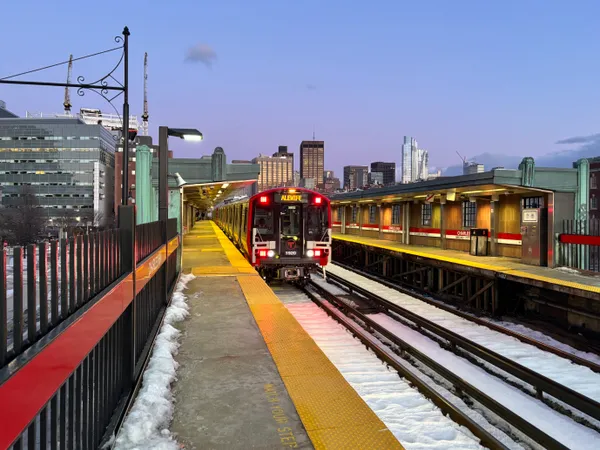
A familiar pattern: short-term fixes colliding with long-term obligations
The Massachusetts Bay Transportation Authority’s recurring budget crises stem from structural features that repeatedly push operating costs and mandatory payments beyond the revenue the system can reliably generate. In the near term, temporary cash infusions can balance a single fiscal year. Over time, however, the same underlying pressures reappear: a funding stream tied to broader economic cycles, heavy debt-service obligations, and fare revenue that has not returned to pre-pandemic levels.
Forward funding tied the T to a volatile revenue base
Since the shift to “forward funding” in 2000, the MBTA has relied heavily on a dedicated share of state sales-tax receipts alongside fares and other revenues. The system was intended to create predictable budgeting discipline, but it also made the agency more dependent on revenue that can lag expectations during downturns and periods of slow growth. When sales-tax performance falls short, the gap does not disappear; it compounds into future budget cycles.
Debt service limits flexibility in the operating budget
A major constraint on MBTA finances is the scale of debt service carried in the operating budget. After the 2000 funding overhaul, the agency assumed substantial debt tied to transit mitigation and other commitments associated with the Central Artery/Tunnel project era. Debt principal and interest payments represent a large, largely non-discretionary expense. As these costs rise, they reduce the share of the operating budget available for day-to-day service, staffing, and maintenance—making deficits more likely when other revenues soften.
Ridership and fares have not fully recovered since COVID-19
The pandemic reshaped commuting patterns and weakened a revenue source that historically covered a significant portion of MBTA operating income. Fare receipts fell sharply during the early pandemic period and, while ridership has rebounded, the agency has projected that a full return to pre-pandemic levels is not expected in the near term across all modes. This creates a persistent mismatch: many operating costs remain, but fare revenue is structurally lower than it was when budgets were built around peak commuting demand.
Safety directives add urgency—and cost—to rebuilding operations
Federal safety oversight has required the MBTA and Massachusetts’ oversight agencies to implement corrective actions following safety findings. Meeting those directives has included workforce, training, procedures, and other operational improvements that can carry significant ongoing costs. Even when these investments are necessary to improve safety performance and reliability, they add pressure to a budget already constrained by debt and uneven revenue growth.
What changes could reduce the cycle of deficits
Public proposals for stabilizing MBTA finances generally focus on reducing the structural mismatch between recurring costs and recurring revenues. Options discussed in Massachusetts policy debates include:
- Shifting or refinancing legacy debt obligations so they no longer consume such a large share of annual operating resources.
- Creating more resilient, recurring operating revenue sources that are less sensitive to economic swings than sales-tax receipts alone.
- Aligning long-term service and staffing plans with realistic ridership and revenue projections while maintaining safety and state-of-good-repair priorities.
The central issue is not a single-year shortfall, but a repeating structure: revenue volatility and subdued fare recovery collide with fixed costs, including debt service and mandated safety improvements.
Recent state budget proposals have sought to stabilize MBTA finances with additional operating support and targeted reserves. Whether those measures end the cycle will depend on whether Massachusetts adopts durable solutions that address the MBTA’s structural deficit rather than relying on temporary backstops.