MBTA faces widespread winter-storm disruptions as GM Phil Eng calls conditions a challenging operating day
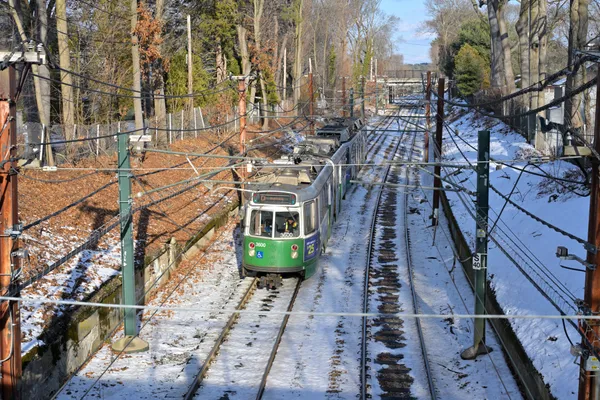
Snow and wind complicate rail operations across Greater Boston
The MBTA faced significant service disruptions during a major winter storm that brought heavy snow, strong winds, and rapidly changing track conditions across the Boston area. General Manager Phil Eng described the day’s operating environment as “challenging,” as crews worked to keep subway, bus, and commuter rail service moving while managing weather-driven failures and capacity limits.
The storm’s impacts were felt unevenly across modes. Road conditions and snow removal operations led to delays on bus routes, including instances where buses struggled to access stops and stations. On rail lines, crews dealt with recurring issues tied to snow accumulation, blowing and drifting snow, and ice that can interfere with signals and track switches—components that must move precisely to route trains between tracks.
Switches, signals, and fleet age emerge as key pressure points
Operational challenges during and after the storm highlighted a set of vulnerabilities that transit agencies in cold-weather regions routinely confront: frozen or obstructed switches, snow-packed rights-of-way, and reduced visibility and traction. In rail systems, wind can quickly refill cleared areas, requiring repeated manual work on the same infrastructure while service continues.
In the days following the storm, MBTA officials and commuter rail operator crews continued restoration work, reporting gradual improvement as equipment returned to service. Severe cold further complicated recovery, contributing to equipment problems across parts of the subway and commuter rail network.
On the Red Line, MBTA officials said cold and snow conditions were particularly hard on older vehicles. The agency described a tradeoff between removing the oldest cars to improve reliability and maintaining enough trains to prevent extremely long waits on platforms. Officials also signaled an operational focus on deploying newer vehicles where possible and adjusting consists to balance frequency and capacity.
Service adjustments and rider impacts
As conditions evolved, the MBTA implemented a mix of storm-related measures, including shuttle bus substitutions on certain services and targeted line disruptions driven by infrastructure constraints. Riders reported crowding during delays, extended travel times, and difficulties accessing stations and parking facilities while snow operations continued.
- Bus service experienced weather-related delays and reroutes designed to avoid steep hills and narrow streets.
- Subway performance was affected by switch, signal, and train issues that can be intensified by snow and extreme cold.
- Commuter rail service saw cancellations and reduced speeds during recovery work, with equipment availability improving over time.
MBTA leaders characterized the day’s conditions as an unusually difficult operating environment, as crews repeatedly cleared snow from critical infrastructure to keep service running.
What the storm revealed
The storm underscored how winter extremes test both infrastructure and fleet readiness. While preparations can reduce risk—through switch heaters, pre-treatment, and staffing plans—blowing snow and severe cold can quickly overwhelm those defenses. For the MBTA, the episode also sharpened attention on vehicle age and the importance of maintaining enough reliable trains to preserve workable headways during peak demand, even as mechanical risk rises in harsh weather.