Musical politics at the Boston Symphony as Andris Nelsons’ exit triggers questions of governance and vision
A high-profile leadership change collides with an institution’s public role
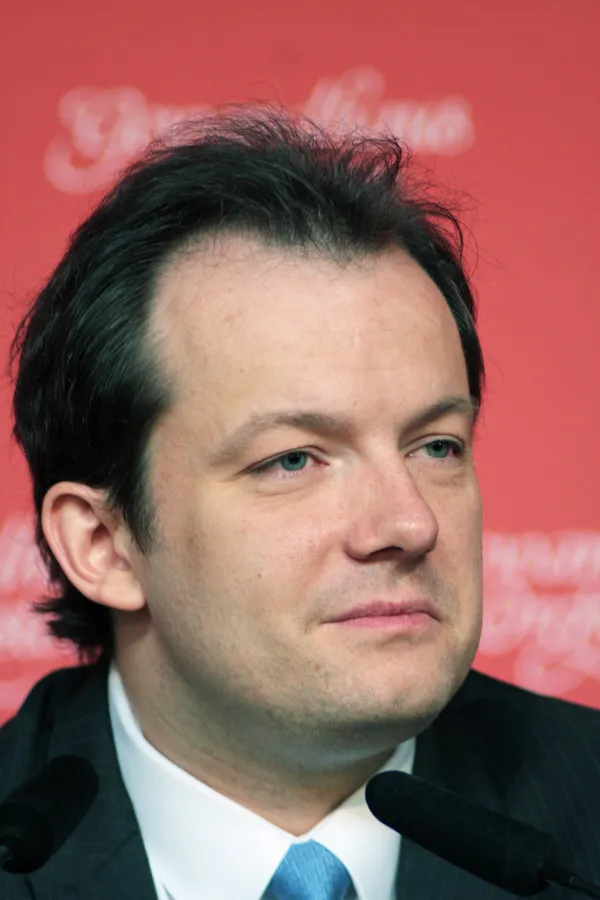
The Boston Symphony Orchestra is entering a period of heightened institutional scrutiny after its board decided to end Music Director Andris Nelsons’ tenure at the close of the 2027 Tanglewood season. The decision, announced March 6, 2026, set a firm endpoint to a relationship that has defined the ensemble’s artistic identity for more than a decade and has now exposed tensions over governance and strategic direction.
The orchestra’s public explanation focused on a lack of alignment about “future vision,” while Nelsons’ message to musicians and staff characterized the move as unexpected and said he understood it was not related to artistic standards or achievements. Nelsons, 47, has led the BSO since the 2014–15 season after being named music director in 2013. In January 2024, the orchestra had shifted his agreement to an “evergreen” rolling contract structure, a framework that typically signals long-term stability while permitting termination under specified terms.
Musicians’ response brings behind-the-scenes conflict into view
In the days following the announcement, the orchestra’s internal disagreement became unusually visible. On March 17, a large group of BSO musicians gathered at Symphony Hall to greet Nelsons on his first return since the March 6 decision, with players posting photos and video of the moment. The BSO Players Committee said it planned to meet with the board to seek clarity on how the decision was made and why it unfolded as it did.
The episode has highlighted a rare public split between musicians and top management at a major American orchestra, with the musicians’ statements emphasizing continuity of artistic leadership and the reputational risks of an abrupt transition.
What “musical politics” means in a modern orchestra
Within major cultural institutions, “musical politics” often extends beyond repertoire choices. It can include the balance of authority among trustees, executive leadership, artistic administration, and musicians; how artistic priorities are financed and scheduled; and how an orchestra positions itself nationally and internationally through touring, commissions, recordings, and guest engagements.
Governance: Decision-making authority in orchestras typically resides with trustees and senior executives, but artistic credibility and operational success depend heavily on musicians’ trust and buy-in.
Strategic vision: Institutional priorities—new works versus core repertoire, community access, partnerships, and touring—can become flashpoints when resources are constrained.
Leadership continuity: Ending a music director’s tenure triggers high-stakes questions about successor planning, fundraising confidence, and long-term artistic identity.
What comes next for the BSO and for Nelsons
The BSO has said it intends to celebrate Nelsons’ tenure through the 2026–27 season while preparing for a search that will place Boston among major U.S. orchestras navigating leadership turnover in the same period. Nelsons is also chief conductor of the Leipzig Gewandhaus Orchestra, and he has continued frequent guest engagements abroad.
For Boston audiences, the immediate reality is that Nelsons remains on the podium for more than a year. But the larger story now unfolding is about institutional process: how a storied orchestra defines its future, and how transparently it can explain decisions that shape what happens both on stage and behind the curtain.