New Greater Boston study finds commuting patterns raise air-pollution exposure most during weekday rush hours
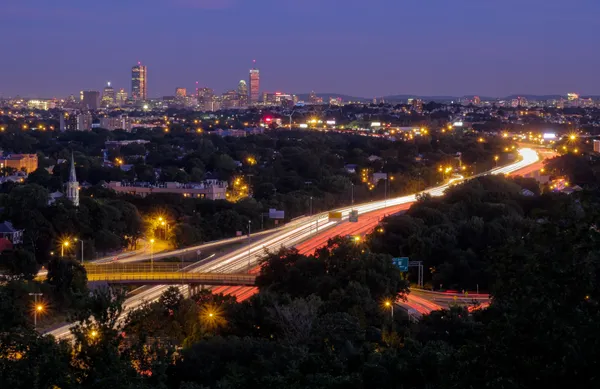
Commuter schedules and where people travel can shape daily exposure
A new Greater Boston study tracking real-world travel patterns found that many residents experience their highest air-pollution exposure during weekday rush hours, when traffic is heaviest and people are moving through road corridors and dense commercial areas. The work links short-term spikes in exposure to the timing and location of commutes, rather than only to where people live.
The research was led by Northeastern University PhD candidate Nail Bashan. From June through December 2023, the team recruited 1,000 volunteers who agreed to install a smartphone app that logged their journeys for two weeks. Researchers then matched those travel traces with air-quality readings from nearly 300 sensors operating across Boston, allowing comparisons by day of week, time of day, and travel mode.
Rush-hour traffic and curbside waiting emerge as key micro-environments
The analysis identified a consistent weekday pattern: exposure tended to be higher on workdays than on weekends. The strongest increases were associated with morning and afternoon rush-hour windows, when vehicle congestion concentrates emissions close to roadways.
The findings also extend beyond drivers. The study highlighted how people waiting for buses or traveling near major roads can experience elevated exposure, reflecting the proximity of many bus stops and pedestrian areas to high-traffic corridors.
Employment-linked routines correlate with higher exposure
The study reported that employed participants showed some of the highest exposure patterns, reflecting traditional “nine-to-five” routines that pull people into downtown and other activity centers during peak traffic periods. This approach emphasizes how exposure is shaped by mobility: two residents living in similar neighborhoods may experience different pollution burdens depending on work schedules, trip frequency, and route choices.
How the results fit into Boston’s broader air-quality picture
At the regional level, recent air-quality assessments have documented that the Boston-area metro continues to see unhealthy episodes of ozone and particle pollution, with notable year-to-year variability. Wildfire smoke in 2023 contributed to degraded air quality across the Northeast, and health research has repeatedly linked traffic-related pollutants to cardiovascular and respiratory risks.
What the study suggests for individuals and policy discussions
Timing matters: exposure can rise during weekday peak periods even when regional air quality is generally considered good.
Location matters: short-distance activities near highways and congested arterials can disproportionately affect exposure.
Mode and routing may matter: the study indicated that walking and biking, which can occur farther from roadway hotspots depending on route, may reduce exposure relative to travel modes that linger close to traffic.
The research adds to a growing body of work suggesting that fine-grained, street-level monitoring paired with mobility data can help cities identify where and when exposure is highest—and inform transportation planning, curb design, and enforcement strategies aimed at reducing near-road pollution.