Northeast blizzard snowfall totals show Rhode Island and Long Island outpaced New York, Boston and Philadelphia
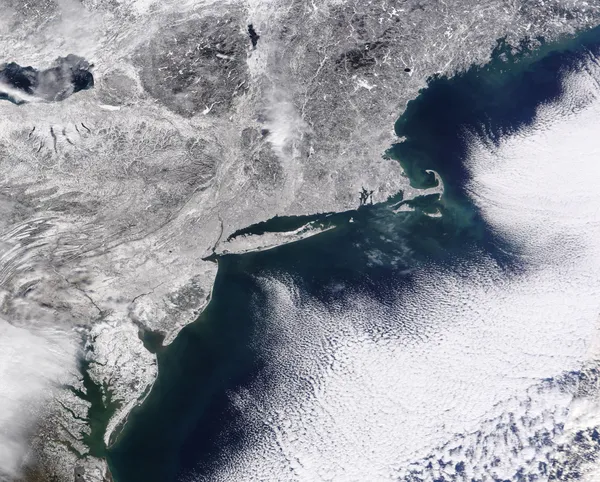
Snowfall leaders emerged along the coast as the storm intensified
A powerful winter storm brought blizzard conditions across parts of the Northeast on Monday, February 23, 2026, producing sharp contrasts in snowfall from city centers to coastal and suburban communities. Early storm reports showed some of the highest accumulations clustered in portions of Rhode Island, Long Island and central New Jersey, while totals were notably lower in parts of northern New England and in the immediate Boston waterfront early in the event.
As of Monday morning and early afternoon, the top measured totals reported in the region reached 26 inches in multiple locations, including parts of Rhode Island and eastern Long Island. In New Jersey, Freehold reported 24.2 inches. In southeastern Massachusetts, Swansea reported 24 inches, with several nearby communities exceeding 20 inches.
Major-city snowfall: New York City and Philadelphia near or above a foot; Boston higher than early-morning reports
Snowfall measurements at the region’s primary observing sites showed New York City reaching 15.1 inches in Central Park. Philadelphia’s airport reported 13.7 inches. In Boston, measurements changed significantly as the storm progressed: an early-morning reading near 5 inches at Logan Airport was later updated to 14.4 inches by early afternoon.
These figures illustrate a key challenge in comparing totals during an ongoing storm: reported amounts can rise quickly as heavier bands pivot through a metro area, and the timing of an observation can make a city appear to be underperforming even as conditions deteriorate.
- New York City (Central Park): 15.1 inches
- Boston (Logan Airport): 14.4 inches (updated midday); earlier report near 5 inches
- Philadelphia: 13.7 inches
Where the storm hit hardest: coastal Rhode Island, Long Island, central New Jersey, and southeastern Massachusetts
Peak reports highlighted the storm’s coastal focus. Rhode Island logged top-end totals at 26 inches in Narragansett and Richmond. Long Island also reached 26 inches at locations including Quogue and Shirley Airport. Southeastern Massachusetts recorded some of the region’s highest totals, including 30 inches in New Bedford and mid- to upper-20-inch reports in several nearby towns.
Reports compiled during the storm indicated multiple locations in Rhode Island and Long Island reaching 26 inches, among the highest totals observed in the Northeast during the event.
Why totals varied so widely
Snowfall differences were driven by the storm track, mesoscale banding, and exposure to strong winds along the coast. Communities under persistent heavy bands accumulated snow rapidly, while nearby areas saw lower totals when precipitation mixed, pivoted away, or compacted under wind. The result was a patchwork of totals that made the “most snow” question heavily dependent on both location and observation time.