Orange Line service temporarily suspended in downtown Boston, with riders directed to shuttles and alternate lines
What riders experienced and how the MBTA typically responds
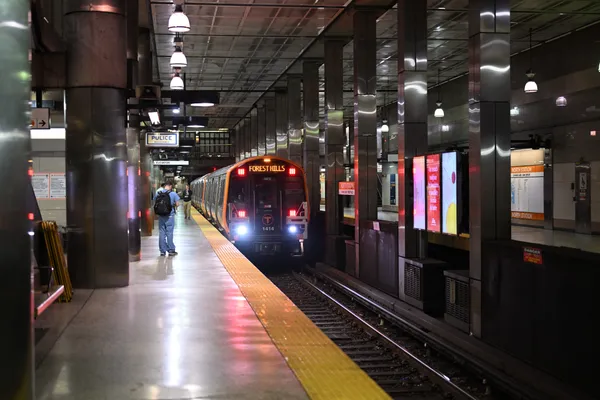
Orange Line service was temporarily suspended in downtown Boston, disrupting trips through the city’s core stations and forcing riders to rely on replacement service and alternate subway lines. Service interruptions in the downtown corridor can quickly ripple across the broader MBTA network because the Orange Line functions as a central north-south spine, with key transfers to the Green, Red and Blue lines.
In past disruptions affecting downtown Orange Line operations, the MBTA has shifted riders onto parallel rapid transit segments—most commonly the Green Line through the central subway—while deploying shuttle buses to bridge gaps where trains cannot operate. The agency also typically positions staff at major stations to assist with wayfinding and to manage crowding at platforms and bus loading areas.
Shuttle buses, alternate routes and accessibility
When Orange Line service is interrupted, replacement shuttle buses are generally the primary substitute for affected stations that lack a simple rail-to-rail detour. Shuttle operations in Boston’s downtown require designated curb space and traffic management to prevent buses from queuing in travel lanes, particularly near major hubs such as Government Center and Copley Square.
During major Orange Line shutdowns, the City of Boston has previously supported shuttle operations through measures that can include temporary bus lanes, transit-only street segments and parking restrictions designed to keep buses moving and reduce delays for riders. In these cases, the MBTA also provides accessible options, including wheelchair-accessible shuttles and accessible vans at select stations for riders who need them.
Expect longer travel times during a downtown suspension, especially during peak hours.
Plan for heavier passenger volumes on the Green Line and at transfer stations.
If shuttle buses are operating, riders may need to exit fare gates and follow on-site signage and staff directions to designated pickup points.
Why downtown Orange Line suspensions happen
Temporary service suspensions can be triggered by planned maintenance work—such as tunnel inspections, track repairs, or signal upgrades—or by unplanned incidents that create safety hazards, including flooding near track areas. The Orange Line uses an electrified third rail, and high water conditions in or near the right-of-way can require service to be halted until conditions are deemed safe.
In service disruptions involving downtown stations, the MBTA generally prioritizes restoring safe train operations while maintaining mobility through shuttle buses and parallel rail service.
What riders can do next
Riders affected by a downtown Orange Line suspension can reduce delays by checking real-time station signage and service alerts before entering the system, building in extra travel time, and considering parallel services where feasible. When downtown conditions compress passenger flows into fewer routes, even small changes—traveling earlier or later, or using a different transfer station—can help riders avoid the most crowded periods.
Service suspensions are typically lifted once the underlying safety issue is resolved or the specific work window is complete, with normal train operations resuming in phases as the corridor is re-opened.