Partial DHS shutdown triggers long TSA lines nationwide while Boston Logan reports mostly steady operations
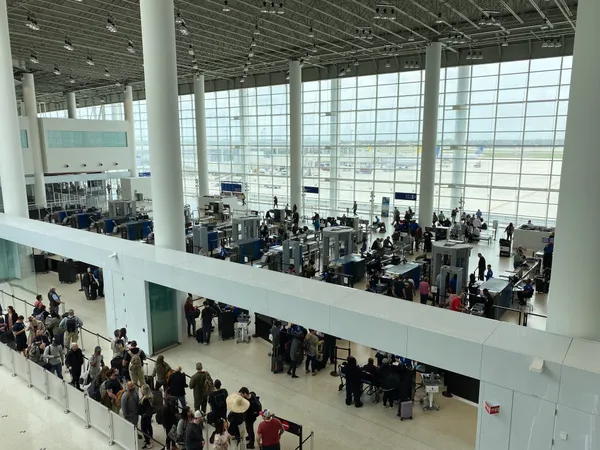
Long waits reported at several U.S. airports as shutdown strains screening and border programs
A partial shutdown affecting the Department of Homeland Security has coincided with heavy early spring travel, producing lengthy security lines at a number of major U.S. airports while Boston Logan International Airport has, by most available indicators, continued operating with limited disruption.
The shutdown began on February 14, 2026, after lawmakers and the White House failed to reach an agreement to fund DHS operations. Transportation Security Administration (TSA) officers are designated essential personnel and continue working during shutdowns, but they do so without pay until funding resumes. The financial pressure can translate into higher absenteeism, which in turn can reduce the number of open screening lanes at checkpoints.
Where delays surfaced and what travelers experienced
In recent days, multiple airports reported extended waits at TSA checkpoints, including instances where travelers were advised to arrive several hours before departure. The most acute delays were reported at a limited number of locations, with some airports citing staffing constraints tied to the shutdown and warning that screening capacity could fluctuate by time of day.
Even where lines later eased, the episodes highlighted how quickly bottlenecks can form when passenger volumes rise and staffing falls. Aviation operations depend on synchronized capacity across checkpoints, gates, and air traffic flows; when one element slows, delays can cascade through airport terminals and airline schedules.
Boston: fewer systemic delays reported, but conditions can change quickly
In the Boston region, officials previously said they did not anticipate immediate interruptions to security screening or broader airport operations at Logan during a shutdown, while emphasizing ongoing coordination with federal partners. Recent national disruptions have not translated into sustained, systemwide slowdowns at Logan of the type reported at some other airports, though screening times can vary by terminal, hour, and staffing levels.
Travel patterns around weekends and peak departure windows remain a key variable, and airport operators generally recommend that passengers monitor conditions and allow extra time when national staffing pressures are present.
Global Entry pause and restart reflected broader staffing trade-offs
The shutdown’s effects have also been felt beyond standard security screening. The Global Entry trusted-traveler program was temporarily halted after DHS reassigned personnel to prioritize processing arriving international travelers. The program resumed on March 11, 2026, restoring expedited entry for pre-approved, low-risk travelers and easing pressure at some ports of entry.
What to watch next
- Checkpoint staffing levels as missed pay periods accumulate.
- Airport-by-airport variability in wait times during peak spring travel days.
- Potential spillover into flight schedules if staffing constraints expand beyond checkpoints.
For travelers, the immediate practical impact is time: airports experiencing staffing-related slowdowns have urged earlier arrival to reduce the risk of missed flights.
For Boston-area passengers, current operations have generally remained stable, but the national pattern suggests localized surges are possible during peak periods as the shutdown continues.