Quincy officials consider $2.6 million bond to replace firefighters’ turnout gear after PFAS test results
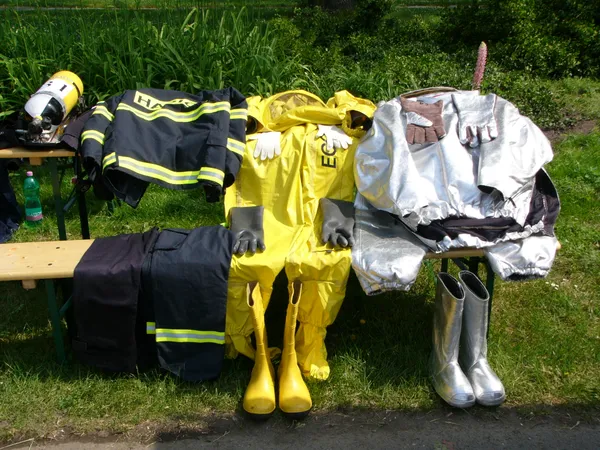
Decision centers on health risk, procurement controls, and a fast-changing market for PFAS-free gear
Quincy officials are weighing a $2.6 million plan to replace firefighter turnout gear after independent testing found PFAS—per- and polyfluoroalkyl substances often called “forever chemicals”—in equipment that had been marketed as free of the compounds. The proposal, presented as a city borrowing request, would fund new protective ensembles and related equipment for the Quincy Fire Department.
The issue moved to the forefront after testing of multiple gear components identified PFAS in materials designed to resist water and heat. The findings intensified questions about the reliability of manufacturer claims and the challenges departments face as they try to reduce chemical exposures while maintaining protection from fireground hazards.
At the State House, Massachusetts has already set a timeline that will reshape municipal purchasing. A law signed in 2024 restricts the sale of firefighting personal protective equipment containing PFAS beginning in 2027, pushing departments and vendors toward alternative materials. The upcoming statewide deadline has accelerated interest in replacement programs, but it has also exposed uncertainty about what “PFAS-free” means in practice and how to verify it.
What the city is considering
The financing request under review would authorize a bond to cover the cost of replacing gear across the department. Turnout gear—typically a coat and pants with multiple layers, including moisture and thermal barriers—must meet performance standards for heat resistance, durability, and protection against moisture and contaminants. Departments also generally maintain spare sets so firefighters can rotate gear during cleaning and after exposure to smoke and debris.
- Estimated cost under discussion: $2.6 million.
- Purpose: replacement of turnout gear and associated safety equipment in response to PFAS test results.
- Mechanism: municipal borrowing, requiring council action and adherence to public procurement rules.
Why PFAS has become a purchasing fault line
Firefighters face elevated occupational health risks, including increased cancer incidence documented across multiple studies, and PFAS exposure has become a focus because the chemicals can be present in firefighting foams, station materials, and protective gear. In turnout gear, PFAS have been used to improve water and oil repellency and help textiles withstand harsh conditions.
Even as manufacturers bring newer alternatives to market, independent tests in Quincy and other jurisdictions have raised concerns that PFAS can still be detected in gear marketed as PFAS-free. The result has been a heightened demand for clearer verification, transparent documentation of chemical content, and defined acceptance testing before large-scale municipal purchases.
Key questions likely to shape the outcome
The pending decision is expected to hinge on both health-protection goals and fiscal oversight. Councilors and residents have focused on how the city validates product claims, how contract terms protect taxpayers if delivered gear fails testing, and whether financing terms appropriately match the useful life of the equipment.
The debate reflects a broader shift in firefighter safety: departments are being asked to modernize protective gear while simultaneously proving that replacements reduce chemical exposures without compromising performance.
For Quincy, the vote will determine whether the city proceeds immediately with a department-wide replacement funded through borrowing, or whether additional documentation, testing protocols, or procurement conditions are required before committing to the full expenditure.