RFK Jr. challenges Dunkin’ and Starbucks to document safety of high-sugar iced coffee drinks
A new flashpoint in the administration’s food agenda
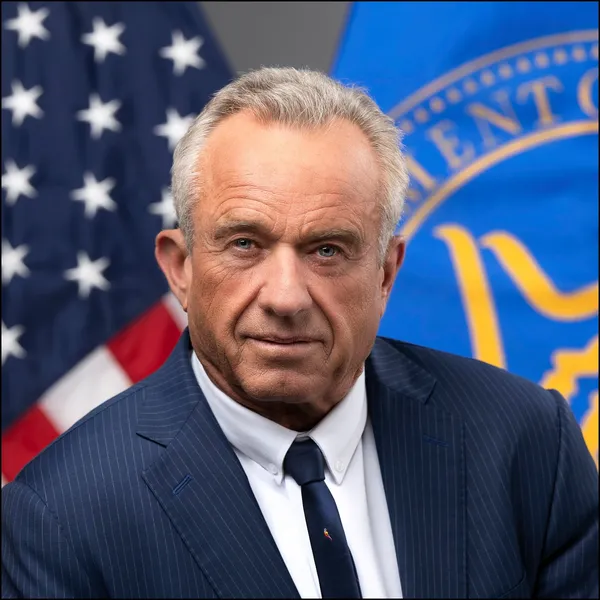
Health and Human Services Secretary Robert F. Kennedy Jr. has placed two major coffee chains—Dunkin’ and Starbucks—at the center of a broader federal push to tighten oversight of the U.S. food supply. Speaking at a public event in Austin, Texas on Feb. 26, Kennedy said the government would ask the companies to provide “safety data” supporting consumption of an iced coffee containing 115 grams of sugar by a teenage girl, adding that he doubted they could do so.
The remarks were delivered at the “Eat Real Food” rally at Brazos Hall, a ticketed event promoting the “Make America Healthy Again” agenda and featuring several speakers tied to health and policy messaging. Kennedy’s comments were framed as part of an effort to confront ultra-processed foods and reduce exposure to ingredients and formulations that federal officials say require closer scrutiny.
What the government can regulate—and what remains unclear
It is not yet clear whether HHS or the Food and Drug Administration will pursue a specific enforcement action aimed at sugary coffee beverages, or whether Kennedy’s statement signals a broader initiative that could later include beverages. Requests for additional details from the department were not answered publicly as of March 4.
However, Kennedy’s warning aligns with an ongoing policy effort to reexamine how ingredients enter the food supply under the framework known as “Generally Recognized as Safe,” or GRAS. Under current rules, some substances may be introduced without FDA premarket approval when their safety is generally recognized by qualified experts under intended conditions of use, including through processes that can involve industry determinations and public notification pathways.
In March 2025, HHS publicly directed FDA officials to explore rulemaking aimed at eliminating the pathway allowing companies to self-affirm certain ingredients as GRAS without notifying the agency. Kennedy framed that initiative as a transparency and oversight measure.
Why Dunkin’ is in the spotlight—and what nutrition data show
Kennedy did not identify the specific Dunkin’ product he was referencing. Dunkin’s published nutrition information lists several beverages with sugar totals exceeding 100 grams, including certain frozen coffees and similar blended drinks. By contrast, the chain’s posted information shows lower sugar totals for other menu items, such as a coffee with cream and sugar.
Dunkin’ did not issue a public response to the request for comment referenced in reporting on Kennedy’s remarks. Starbucks also had not publicly responded to comparable inquiries at the time.
Potential implications for industry and consumers
Any move to restrict sweeteners broadly—whether by limiting sugar content, revisiting the regulatory status of refined carbohydrates, or requiring additional safety demonstrations—could have sweeping effects across packaged foods and beverages. Such changes would likely involve extensive scientific review and administrative rulemaking, and could trigger significant industry pushback and legal challenges.
Kennedy’s public demand for “safety data” reflects a growing federal emphasis on ingredient oversight and chronic-disease prevention, but the pathway from rhetoric to enforceable policy remains uncertain.
- Event date and location: Feb. 26, Austin, Texas (Brazos Hall)
- Core claim: companies should document safety for extremely high-sugar beverages
- Policy backdrop: HHS-directed FDA review of GRAS self-affirmation pathway (announced March 10, 2025)