Seattle and Boston’s post-boom slowdown: rising joblessness, empty offices, and an uneven recovery outlook
Two high-performing metros confront similar post-pandemic headwinds
Seattle and Boston spent much of the last decade attracting high-wage industries, global talent, and investment. Entering 2026, both metros are confronting a comparable set of pressures: a softer labor market, high housing costs, and a commercial real estate downturn that is reshaping downtown activity and municipal finances.
The parallel is notable because the two regions are powered by different signature clusters. Boston’s economy is anchored by universities, hospitals, and a large life sciences ecosystem. Seattle’s growth has been driven by major technology employers and the broader innovation supply chain. In both places, shifting business priorities and the post-remote-work reordering of office demand are showing up in measurable ways.
Labor markets cool as key sectors recalibrate
Recent labor data show increasing unemployment in both metro areas compared with the prior year, though the drivers differ. In Seattle, tech firms have continued restructuring after earlier hiring surges, including reductions outside of priority areas such as artificial intelligence. In Massachusetts, statewide data show unemployment in the mid-4% range in late 2025, reflecting a labor market that has remained active but has cooled as employers slow hiring.
Beyond headline unemployment, the broader story is a shift from rapid expansion to selective growth. Companies in both regions are still investing, but capital and hiring are increasingly concentrated in specific capabilities, while other business lines are trimmed or left unfilled.
Downtown office vacancies deepen, with ripple effects
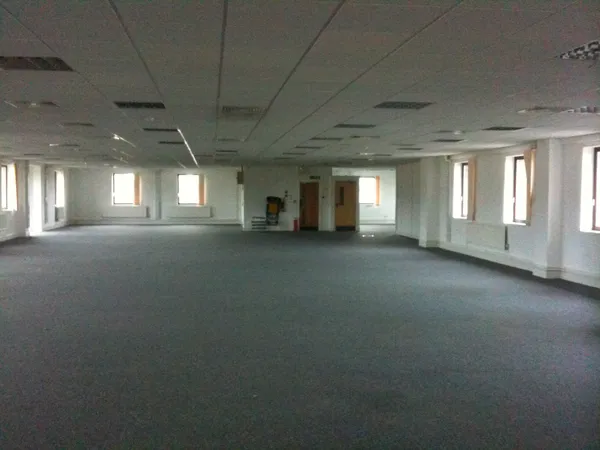
Commercial real estate has become a defining stress point. Downtown Seattle’s office vacancy exceeded one-third by the end of 2025, a level that underscores how strongly remote and hybrid work patterns have reduced demand in core business districts. Boston’s office market has also weakened, and the region’s large lab and life sciences space inventory has seen rising availability after an earlier building boom.
High vacancy rates do more than depress rents. They can reduce foot traffic for restaurants and retail, weaken transit ridership, and contribute to pressure on city budgets over time as property values and tax receipts come under strain.
Cost pressures and migration patterns complicate recovery
Both metros remain expensive places to live, and housing costs continue to shape who can remain and who moves away. Massachusetts has recorded substantial net domestic outmigration since 2020, while Washington’s net loss has been smaller but still points to competitive pressure from lower-cost regions.
High costs also interact with the labor market: when job growth slows, expensive housing and everyday living costs can become a more immediate constraint for households, particularly renters and younger workers.
What the next phase may hinge on
Seattle and Boston are not defined solely by their current slowdown. Each has deep talent pipelines and globally relevant industries. The near-term trajectory will likely depend on how quickly office demand stabilizes, whether sector-specific hiring returns, and how effectively both regions address affordability and the changing role of downtowns.
- In Seattle, the question is whether tech employment broadens beyond concentrated AI investment.
- In Boston, attention is on the pace of life sciences leasing and the strength of education and health care employment growth.
- In both, the fiscal and planning challenge is adapting central business districts to a lower-office, more mixed-use reality.
Both metros entered the decade as standout performers. Their next chapter is increasingly about adjustment: to new work patterns, tighter financing conditions, and a more selective growth cycle.