Snow piles and narrowed sidewalks complicate walking in Boston following January storm and ongoing cleanup
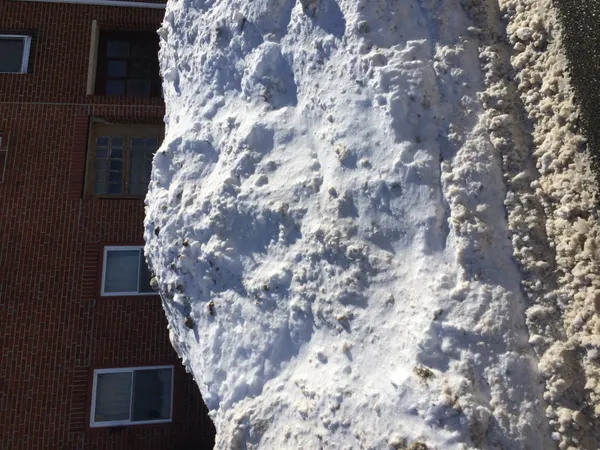
Snowbanks squeeze pedestrian space after major snowfall
Large snow piles left by plowing and property-side shoveling are making it harder to walk through parts of Boston in the days following the late-January winter storm, as narrowed sidewalks, blocked curb ramps, and uneven footing push some pedestrians into the street.
The storm, which began Sunday and continued into Monday, produced more than a foot and a half of snow at Logan Airport early in the event, with additional snowfall reported into Monday. Separate post-storm totals published locally placed Boston’s storm accumulation above 20 inches, reflecting continued snow after early-morning measurements.
Sidewalk clearance rules set deadlines and minimum access widths
Under Boston’s snow-clearing requirements, property owners must clear sidewalks and curb ramps adjacent to their buildings within three hours after snow stops falling, or within three hours after sunrise if snowfall ends overnight. The city’s standard calls for creating an accessible path at least 42 inches wide for people using wheelchairs and for those pushing strollers.
State guidance on accessibility during winter conditions also emphasizes maintaining a clear, slip-resistant path of travel and avoiding snow placement that obstructs curb cuts, crosswalk approaches, and other access points used by people with disabilities.
Public works response and the persistence of post-storm hazards
City policy places primary responsibility for sidewalks on abutting property owners, while public works operations focus on keeping streets passable and restoring mobility across neighborhoods. Even after roadways are plowed, large snowbanks can remain at corners and along curb lines, where repeated plow passes and limited storage space compress snow into hardened piles that are slow to melt in sustained cold.
These conditions can create practical chokepoints—especially near intersections—where curb ramps are buried or the available walkway is reduced to a single narrow track. For pedestrians, that can mean stepping around snowbanks, navigating ice, or entering the roadway to pass.
What residents can do during the cleanup period
- Clear sidewalks and curb ramps on the required timeline, maintaining a passable width for accessibility.
- Avoid pushing or throwing shoveled snow into the street, bike lanes, or curb cuts where it can refreeze and obstruct travel.
- Remove ice as close to bare pavement as possible and treat slick spots to reduce slipping risk.
- Use city service channels to report locations where sidewalks remain impassable after the clearance window.
With snow cleanup continuing across the city, officials have urged residents to help neighbors who may be unable to shovel and to prioritize clearing curb ramps and accessible routes.
Boston’s snow emergency and related restrictions were put in place during the storm period and later lifted as cleanup advanced, but the day-to-day challenge for people on foot can persist longer—until sidewalks widen, corners reopen, and the city’s snowbanks are reduced by melting or targeted removal.