South Boston officials warn students to expect strict alcohol enforcement at St. Patrick’s Day parade
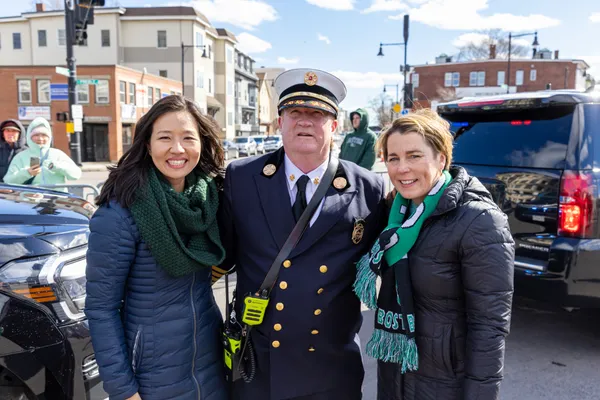
Public drinking focus as city and state officials target underage alcohol and disorderly conduct
South Boston elected officials are warning students and other young paradegoers to expect stepped-up enforcement of alcohol laws during this year’s St. Patrick’s Day and Evacuation Day Parade, as the city seeks to curb public drinking, underage possession, and crowd-related disorder along the route.
The annual event is among Boston’s largest public gatherings, drawing crowds that in recent years have prompted increased policing, licensing restrictions for nearby businesses, and additional safety planning. Officials have framed this year’s approach as “zero tolerance” for open containers, public intoxication-related behavior, and sales or provision of alcohol to minors.
What enforcement is expected on parade day
Alcohol-related enforcement is expected to center on street-level public drinking and underage possession, with officers authorized to seize alcohol and make arrests where laws are violated. City public safety planning in past parade years has included coordinated actions by Boston Police, Boston Fire, licensing officials, and state regulators focused on liquor retailers and bars in the neighborhood.
- Public drinking and open containers on streets are illegal and subject to enforcement.
- Providing alcohol to minors and underage possession are illegal and can result in seizure and arrest.
- Bars and restaurants in the area have operated under restricted admission and service hours in prior years, with early cutoffs intended to reduce late-day crowd problems.
Route, timing, and crowd management
The parade has also adjusted its operations in response to safety concerns. Recent years have featured an earlier start time and planning changes aimed at shortening the window for heavy drinking and limiting crowd surges. Organizers and city officials have also promoted designated family-friendly viewing areas and tighter perimeter management.
Transportation officials have warned that transit service near the route can be affected by crowding. Riders should anticipate station congestion, potential bypassing of nearby stops during peak periods, and special shuttle operations between downtown and South Boston. Parade day safety messaging has also included reminders that alcohol is not permitted on transit property.
Why students are being singled out
South Boston’s parade has long attracted college and high school-age spectators from across Greater Boston and beyond. Officials’ student-focused warnings are intended to reduce the risk of underage drinking citations and to discourage large groups from treating residential blocks as informal drinking venues. City leaders and public safety officials have linked prior parade-day problems to street drinking, overcrowding, and fights, leading to arrests and charges ranging from alcohol offenses to disorderly conduct.
Parade organizers and city officials have emphasized that the event is permitted as a public celebration and must comply with alcohol laws and public safety rules throughout the day.
Officials are urging attendees to plan transportation in advance, follow posted restrictions, and expect police presence along the route and near transit hubs, liquor retailers, and establishments serving alcohol.