Ted Landsmark leaves City Hall advisory role after shaping Boston development decisions and planning transitions
A long-running civic role comes to an end
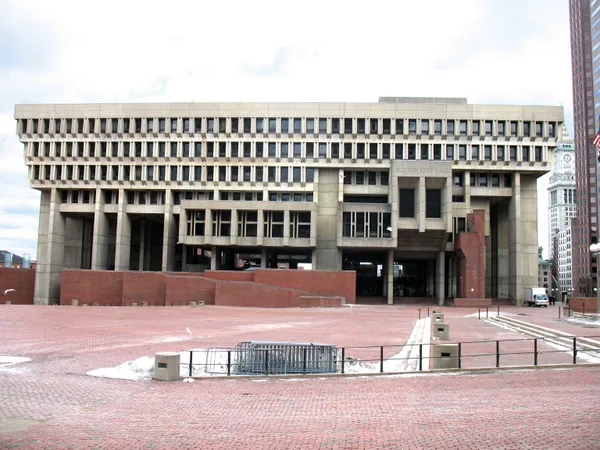
Ted Landsmark, a veteran figure in Boston civic life who has held an advisory position based at City Hall while also serving on Boston’s powerful development board, is departing his City Hall post. His exit closes a chapter for an official who has been repeatedly involved in the city’s most consequential debates about growth, design standards, and how public oversight is structured as Boston’s skyline continues to evolve.
What Landsmark did inside Boston’s planning system
Landsmark’s influence has flowed primarily through Boston’s development governance: a board that votes on final actions tied to large private projects, zoning-related initiatives, planning studies, and real estate actions involving public land. Board responsibilities include approving agreements and determinations that shape what gets built, under what conditions, and with what public benefits.
He has also maintained a high-profile presence in urban policy and planning beyond City Hall, including leadership in academic urban policy work in Boston. That combination—formal votes on development actions alongside decades of civic and design-sector experience—made him a familiar participant in debates over density, neighborhood impacts, transportation mitigation, affordability commitments, and the design review expectations placed on major projects.
Departing amid institutional change in Boston’s planning apparatus
Landsmark’s departure comes during a period when Boston has been reshaping how planning and development functions are organized within city government. In recent years, City Hall has pursued a reconfiguration of planning responsibilities, with an emphasis on shifting planning toward a more city-department-centered model while retaining a project review pipeline that can process complex, high-volume proposals.
At the same time, the pace and scale of proposals before Boston’s development board have remained intense, spanning downtown office-to-residential pressures, large-scale institutional expansions, and neighborhood rezonings meant to align growth with transportation, climate resilience, and housing supply goals. Those pressures have helped make board staffing, quorum reliability, and continuity of institutional expertise a recurring operational concern.
Why Landsmark’s public profile has mattered in Boston
Beyond planning, Landsmark is widely known in Boston’s modern history because he was the victim of a 1976 assault on City Hall Plaza during the busing era—an incident captured in an iconic photograph that has remained part of the city’s civic memory for decades. Over time, that history has intersected with his professional work in design, education, and public policy, placing him at the center of conversations about civic space, inclusion, and who city-building is meant to serve.
What comes next
City Hall will need to manage continuity for development-related policy and review work as Landsmark’s City Hall role is filled or redistributed.
Separately, board membership terms and appointments—critical for maintaining a full voting roster—remain a key lever in how Boston balances predictability for projects with accountability to neighborhood and citywide priorities.
Boston’s development decisions are rarely about single projects alone; they are tests of process—how the city negotiates growth, public benefit, and legitimacy as it changes.
Landsmark’s departure removes a long-tenured voice from inside City Hall at a time when Boston’s planning institutions, and the expectations placed on them, continue to shift.