Track-level fire at Quincy Center disrupts MBTA Red Line service, triggering delays on Braintree branch
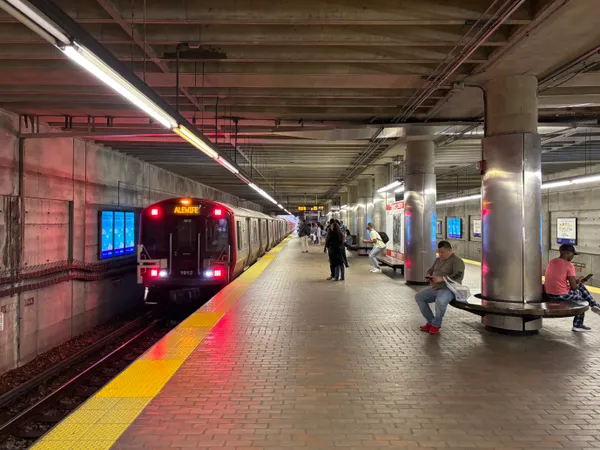
Incident triggers service disruption on key South Shore rapid-transit corridor
A fire reported on the tracks at Quincy Center Station disrupted MBTA Red Line service on the Braintree branch, prompting delays for riders traveling between Quincy and Boston. The incident affected one of the system’s busiest commuter corridors, where service reliability is closely tied to track and power conditions along the line south of JFK/UMass.
Quincy Center is a major transfer point in the Red Line network and a hub for local bus connections in Quincy, with two rapid-transit tracks serving the station. Because the station sits on the Braintree branch, a disruption at Quincy Center can quickly affect train spacing and scheduling both toward Boston and toward Braintree, particularly during peak commuting periods.
What is known about track fires on rapid-transit lines
Track-level fires in subway systems are commonly associated with debris igniting near electrified infrastructure or track components, and they typically require cautionary operating steps until the area is confirmed safe. In rapid-transit environments, the third rail that powers trains and the surrounding track bed can create conditions where smoke, heat, or burning material becomes a safety concern for passengers and employees, especially in stations and enclosed areas where smoke can accumulate.
When a track fire is reported, standard operational responses can include stopping trains, holding trains at stations, restricting movements through the affected area, and coordinating with emergency responders. Even when flames are quickly extinguished, delays can persist as staff verify equipment status and restore normal service patterns.
Why Quincy Center disruptions can cascade
The Braintree branch includes interlockings and crossovers that help manage train movements, storage access, and the spacing required to run service. A disruption at or near Quincy Center can force trains to queue in both directions, producing delays that extend well beyond the immediate incident location.
Trains may be held to maintain safe distances while the track area is secured.
Service may be slowed or temporarily paused to accommodate response activity and inspections.
Even after service resumes, it can take time to rebalance headways and clear backups.
Safety and oversight context
Transit safety oversight in Massachusetts includes state monitoring of rail transit conditions and practices. In recent years, safety concerns on MBTA rail lines have driven increased attention to infrastructure condition, operational controls, and worker protections around track-level hazards, including those related to electrified equipment.
In subway operations, a short incident can create longer delays as the system resets and normal train spacing is restored.
The MBTA’s immediate focus in incidents involving fire or smoke typically centers on passenger safety, power and equipment integrity, and restoring reliable service once the affected segment is confirmed safe for train movements.