Water main break near Jackson Square MBTA station disrupts Roxbury traffic as crews stabilize and repair street
What happened and where crews are working
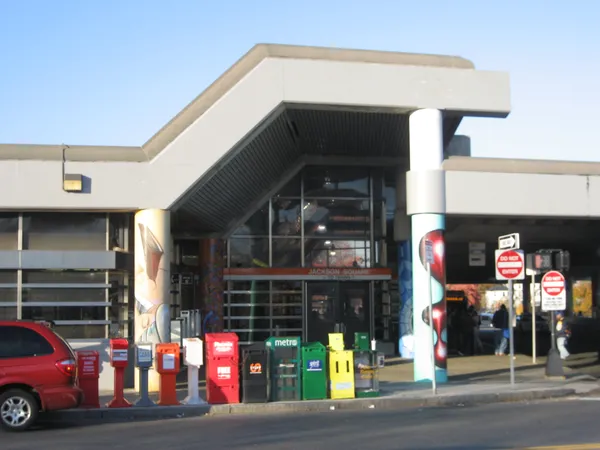
A water main break near the Jackson Square MBTA station area in Roxbury prompted emergency response and repair work, creating localized flooding and disrupting travel on adjacent streets. The incident occurred in an area where Columbus Avenue transitions into Tremont Street and sits alongside major bus corridors and Orange Line access points, making even short closures consequential for morning and afternoon peaks.
City crews typically begin by isolating the damaged section of main—closing valves to stop water loss—before excavation and pipe repair. Street surfaces can be undermined as pressurized water escapes, increasing the likelihood of pavement collapse or the formation of sinkholes. For that reason, public safety officials often cordon off a wider zone than the visible flooding footprint.
Impacts: traffic, transit access, and street conditions
Water main breaks in dense corridors often require partial roadway shutdowns while crews assess roadbed stability and complete temporary plating or repaving. In past Roxbury incidents, portions of Tremont Street have been closed in one direction while the opposite lanes remained open, with repairs extending through at least part of the day. In addition to vehicle delays, bus routes that use Columbus Avenue and Tremont Street may be detoured when work zones block curbside stops or limit turning movements.
Drivers may encounter lane reductions, detours, and temporary no-parking zones near the work site.
Pedestrian access near station entrances can be constrained while crews stage equipment and secure excavation areas.
Localized pooling and ice risks can persist in colder conditions even after the main is shut down, depending on drainage and temperatures.
Water service: what residents typically experience
A break does not always mean a neighborhood-wide outage. When valves can be closed around the damaged segment, service can remain available for nearby buildings, though pressure fluctuations are possible. Discolored water can also occur after a break as sediment is disturbed, usually clearing after short periods of flushing at taps. If an outage is required, it is generally limited to the smallest practical area while repairs are made.
Why this keeps happening in parts of Boston
Boston’s distribution network includes older mains installed in the 19th and early 20th centuries, and some corridors have a documented history of repeated failures. In one recent Roxbury case on Tremont Street, a 20-inch main first laid in 1874 and later relined in 1972 broke twice within the same month, underscoring the challenges of maintaining aging infrastructure under modern traffic loads and variable weather conditions.
When a main fails, the immediate priority is stabilizing the site and restoring safe travel conditions; longer-term decisions can involve whether to patch a segment or replace a larger run of pipe.
What to watch next
Key milestones include completion of the pipe repair, confirmation that the roadbed is stable, and permanent resurfacing of the affected lanes. Residents and commuters should also watch for any follow-up work such as additional excavation, valve operations, or scheduled flushing that can briefly affect water clarity and pressure near the repair zone.