Waymo Plans New Boston Road Tests, Renewing Questions About When Driverless Service Could Be Legal
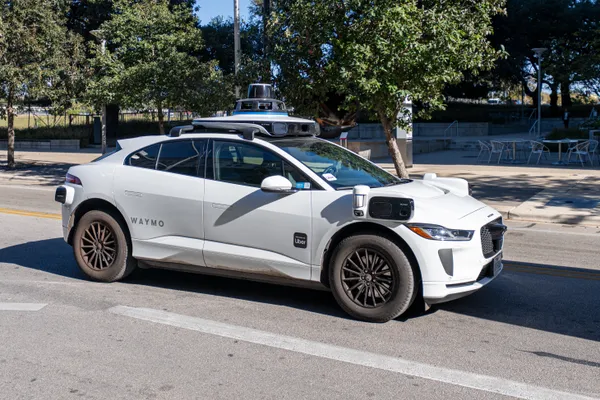
Waymo signals renewed Boston push after earlier mapping drives
Waymo, the autonomous-vehicle company owned by Alphabet, says it plans to return to Boston-area streets to continue testing and preparation work that could support a future commercial robotaxi service. The company previously operated a limited fleet in Greater Boston to collect data and familiarize its systems with local road layouts and driving patterns.
This next phase is expected to begin with company staff driving vehicles manually while the firm continues to engage with state and local officials on the rules that would govern any broader rollout. The announcement arrives as Boston officials and labor advocates have intensified scrutiny of how autonomous ride services could affect safety, traffic management, and transportation jobs.
What testing can and cannot be done in Massachusetts today
Massachusetts currently allows testing of vehicles equipped with automated driving systems under a state process that requires defined operating conditions and safety protocols. Testing rules are designed around human oversight: the state framework outlines requirements for trained safety drivers, approved operating domains (including roadway types, speed ranges, and environmental conditions), and vehicle readiness checks, among other safeguards.
Within Boston, the city has taken a staged approach to on-street testing, beginning with constrained environments and expanding only after milestones are met. Current city policy has emphasized controlled rollouts and the presence of on-board personnel capable of taking over vehicle operation when needed.
- Testing approvals can specify where vehicles may operate, including which road owners permit testing on their streets.
- Operating conditions can include limits on speed, time of day, and weather, depending on the approved plan.
- City policy has centered on gradual expansion from restricted zones to broader street networks only after performance benchmarks are demonstrated.
Policy debate: safety oversight, street complexity, and jobs
Boston’s street network presents difficult driving scenarios for automated systems, including narrow corridors, dense pedestrian activity, irregular intersections, rotaries, and winter weather that can degrade sensor performance and lane visibility. As Waymo points to technical progress aimed at handling these conditions, elected officials have concurrently raised governance questions about what public safeguards should precede any commercial operations.
Labor organizations and some city leaders have argued that widespread robotaxi adoption could place downward pressure on driving-related employment, especially among app-based and commercial drivers. City discussions over the past year have included proposals to require structured public review before any commercial service launches and to consider whether a human safety operator should be required in vehicles operating in Boston.
National safety scrutiny adds pressure as companies expand
The renewed Boston plans come as federal regulators continue to monitor the safety performance of automated driving systems nationally. In late January 2026, a Waymo vehicle operating without an in-vehicle safety operator struck a child near an elementary school in Santa Monica, California, triggering a federal investigation into the vehicle’s behavior in school-zone conditions and its post-collision response. The child’s injuries were described as minor.
Any move from manual testing to a public robotaxi service in Boston would require alignment between technical readiness and a legal framework that defines responsibility, oversight, and operating rules on public roads.
For now, Waymo’s stated plan focuses on additional Boston-area driving and engagement with policymakers—steps that would precede any formal timeline for a commercial launch.